





Cutter Chrysler Jeep Dodge of Pearl City

Blog / Cutter Chrysler Jeep Dodge of Pearl City Service

Chrysler Pacifica Hybrid Efficiency and Daily Driving Costs in Hawaii

The Chrysler Pacifica Hybrid is designed to change how families use fuel rather than simply reduce how much fuel they use. For drivers in Hawaii, where trips are often shorter and more consistent, that shift becomes more noticeable. Many shoppers researching the Chrysler Pacifica Hybrid are trying to understand not just its efficiency ratings, but how those ratings translate into daily driving and long-term cost. The difference between a hybrid Pacifica and a standard gasoline Pacifica is not just a number on a spec sheet. It is how energy is used across different types of driving.

How MPGe and MPG Work in the Chrysler Pacifica Hybrid

Many shoppers researching the Chrysler Pacifica Hybrid ask what MPGe means and how it compares to MPG. MPGe, or miles per gallon equivalent, is a measurement that reflects how efficiently a vehicle uses electric energy compared to the energy contained in a gallon of gasoline.

The Chrysler Pacifica Hybrid MPGe rating applies when the vehicle is operating on battery power. During this phase, the electric motor is moving the vehicle without consuming gasoline. Once the battery’s available energy is reduced, the system transitions into hybrid operation, where the gasoline engine begins to contribute power. At that point, MPG becomes the relevant measurement.

This is where most confusion occurs. MPGe and MPG are not competing metrics. They describe two different operating conditions within the same vehicle.

For comparison, a standard Chrysler Pacifica uses only MPG because it relies entirely on a gasoline engine. Every mile driven requires fuel combustion, regardless of trip length or driving conditions.

The difference between these systems can be understood through how energy is used:

  • the Chrysler Pacifica Hybrid can complete shorter trips using only electric power
  • the gasoline Pacifica consumes fuel continuously for all driving
  • MPGe reflects efficiency during electric operation
  • MPG reflects efficiency when gasoline is being used

For families deciding between hybrid and gas models, this is a critical distinction. The hybrid only reduces fuel usage when electric driving is actively used. Without that usage, the difference between the two vehicles becomes much smaller.

How the Chrysler Pacifica Hybrid System Actually Operates

Many buyers want to understand how the Chrysler Pacifica Hybrid switches between electric and gasoline power. A plug-in hybrid system is a drivetrain that combines an electric motor powered by a battery with a gasoline engine, allowing the vehicle to operate using one or both power sources.

The Chrysler Pacifica Hybrid battery system stores electrical energy that powers the electric motor. During low-speed or lower-demand driving, the vehicle operates in electric mode. As power demand increases or battery charge decreases, the gasoline engine activates and works alongside the electric motor.

This transition is managed automatically. The system continuously evaluates driving conditions, throttle input, and battery charge to determine how energy should be used.

This creates a layered energy system:

  • electric power is used for lower-load driving situations
  • gasoline power is introduced when additional output is required
  • both systems can work together to maintain performance
  • regenerative braking captures some energy and returns it to the battery

Compared to a gasoline Pacifica, which depends entirely on fuel combustion, the hybrid introduces a second energy pathway. This is what allows it to reduce fuel usage, but only when driving conditions allow the electric system to operate effectively.

How Electric Range Translates to Daily Driving in Hawaii

Many shoppers ask how far the Chrysler Pacifica Hybrid can travel without using gasoline. Electric range is the distance the vehicle can travel using only battery power before the gasoline engine becomes necessary.

The Chrysler Pacifica Hybrid electric range is designed to cover a large portion of typical daily driving. In Hawaii, where commutes and errands are often shorter, this becomes especially relevant.

What matters most is how electric range compares to daily mileage. If most trips fall within that range, the vehicle will operate primarily on battery power. If trips regularly exceed that range, the gasoline engine will engage more frequently.

This creates two distinct usage patterns:

  • drivers with shorter daily routes rely heavily on electric driving
  • drivers with longer or continuous driving rely more on hybrid operation

A gasoline Pacifica does not change behavior based on distance. Every trip uses fuel in the same way, regardless of length.

For buyers, the key question is not just how far the vehicle can go on electric power, but how often that range aligns with real daily driving.

How Charging Fits Into Everyday Use

Many buyers considering the Chrysler Pacifica Hybrid want to know whether charging is inconvenient. Charging is the process of restoring battery energy using an external power source.

The Chrysler Pacifica Hybrid can be charged using a standard household outlet or a higher-output charging system. Charging time varies depending on the power source, but in most cases, charging is integrated into overnight parking.

This means the vehicle is typically charged while not in use, allowing it to begin each day with available electric range.

In real-world use:

  • charging becomes part of a daily routine rather than a separate task
  • the vehicle is ready for electric driving at the start of each day
  • no additional stops are required if charging is done at home

If charging is consistent, the hybrid system can operate as intended and reduce fuel usage significantly. If charging is infrequent, the vehicle will function more like a traditional hybrid and rely more heavily on gasoline.

A gasoline Pacifica does not require charging, which simplifies operation but removes the ability to reduce fuel consumption through electric driving.

When the Chrysler Pacifica Hybrid Actually Saves Money Compared to Gas

Many families comparing options want to know whether the Chrysler Pacifica Hybrid is worth it compared to a gasoline Pacifica. The answer depends on how often the hybrid system replaces gasoline usage.

Is the Chrysler Pacifica Hybrid worth it compared to a gas model?
The Chrysler Pacifica Hybrid is worth it when daily driving allows the vehicle to operate frequently on electric power and when charging is part of the routine. If most trips fall within electric range and the battery is consistently recharged, gasoline use can be significantly reduced. If driving regularly exceeds electric range or charging is inconsistent, the difference in fuel savings becomes smaller.

Cost savings are driven by how energy is used:

  • frequent electric driving reduces gasoline consumption
  • consistent charging maximizes efficiency benefits
  • shorter trips increase the percentage of electric use
  • longer trips reduce the impact of electric driving

For comparison, a gasoline Pacifica provides predictable fuel usage regardless of driving pattern. It does not depend on charging behavior, but it also does not offer the opportunity to offset fuel consumption with electricity.

The decision between hybrid and gasoline models comes down to how closely the hybrid system aligns with daily driving habits. When electric range, charging behavior, and driving patterns align, the Chrysler Pacifica Hybrid provides measurable efficiency and cost advantages. When they do not, the gasoline Pacifica remains the more straightforward choice.

Posted in:

Related Posts

2026 Jeep Wrangler Trim Levels Compared for Oʻahu Terrain

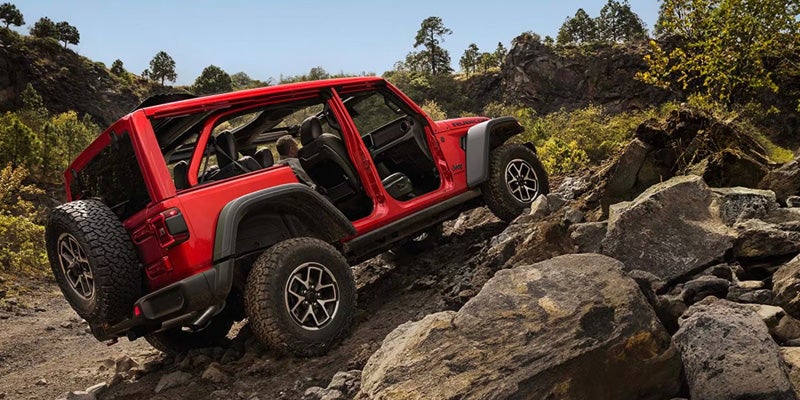
The 2026 Jeep Wrangler lineup is designed around one core principle: different trims are built to handle different types of terrain. For Oʻahu drivers, that matters more than it might in other markets. Driving conditions can shift quickly from city streets and wet pavement to loose sand, uneven trails, and elevation changes. Many shoppers comparing Wrangler trims are not just asking what features each model includes. They are trying to understand how each version of the 2026 Jeep Wrangler will actually behave across those conditions. The difference between trims is not cosmetic. It is mechanical, and those differences directly affect traction, control, and everyday usability. How Wrangler Trims Are Structured Around Terrain Capability Many shoppers researching the 2026 Jeep Wrangler trims ask what separates Sport, Willys, Sahara, and Rubicon. The answer is that each trim adjusts how the vehicle prioritizes terrain capability versus daily driving stability. The 2026 Jeep Wrangler Sport provides the foundation. It includes the Command-Trac 4x4 system and solid axle construction, which allows it to handle light off-road conditions and uneven surfaces without additional specialized hardware. This makes it suitable for drivers who primarily stay on pavement but want the flexibility to handle occasional dirt or sand. The 2026 Jeep Wrangler Willys builds on that foundation by introducing more off-road-oriented components. It typically includes more aggressive tire configurations and traction-focused tuning, which improves performance on loose surfaces without moving fully into heavy-duty off-road systems. The 2026 Jeep Wrangler Sahara shifts toward everyday usability. It retains the same base 4x4 capability but prioritizes smoother ride behavior, interior comfort, and technology. This trim is often chosen by drivers who spend most of their time on-road but still want the Wrangler’s capability when conditions change. The 2026 Jeep Wrangler Rubicon is engineered specifically for challenging terrain. It introduces systems designed to manage uneven traction, low-speed control, and suspension movement in environments where standard setups begin to lose effectiveness. For Oʻahu drivers, this structure means the right trim is not the most capable one overall, but the one that matches how often those advanced systems will actually be used. How the 2026 Jeep Wrangler 4x4 Systems Behave on Sand, Wet Roads, and Trails Many buyers comparing the 2026 Jeep Wrangler trims want to know which model performs best on sand or off-road terrain. A 4x4 system is a drivetrain that distributes torque between the front and rear axles to improve traction when surfaces become unstable. The 2026 Jeep Wrangler Command-Trac 4x4 system, found on Sport, Willys, and Sahara trims, is a part-time system that sends power to both axles when engaged. On sand, this helps prevent the rear wheels from spinning excessively by distributing torque forward. On wet pavement, it improves traction by reducing the likelihood of wheel slip during acceleration. The 2026 Jeep Wrangler Rock-Trac 4x4 system, used on the Rubicon, changes how torque is delivered by introducing a lower transfer case gear ratio. This allows the vehicle to move at slower speeds while maintaining higher torque output at the wheels. This difference becomes important in specific conditions: On loose sand, consistent torque helps maintain forward momentum without excessive wheel spin On uneven trails, lower gearing allows the vehicle to move more precisely without relying on speed On wet or mixed surfaces, controlled torque delivery improves stability For most Oʻahu driving conditions, including beach access and rain, the Command-Trac system provides sufficient traction. The Rock-Trac system becomes valuable when terrain requires slow, controlled movement rather than momentum. What Locking Differentials Actually Do in Real Driving Conditions Many shoppers researching the 2026 Jeep Wrangler Rubicon ask what makes it more capable than other trims. The answer centers on how the Rubicon manages traction at the wheel level. A locking differential is a system that forces both wheels on an axle to rotate at the same speed. Under normal conditions, a standard differential allows wheels to rotate independently, which is beneficial for turning but can reduce traction when one wheel loses grip. The 2026 Jeep Wrangler Rubicon locking differentials eliminate this issue by ensuring both wheels receive equal torque. When one wheel encounters a low-traction surface such as sand or loose dirt, the system prevents that wheel from spinning freely and redirects usable force to both sides. This changes how the vehicle performs: Traction is maintained even when one wheel has reduced grip Forward movement continues without relying on momentum Control improves in uneven or shifting terrain The Rubicon also includes a sway bar disconnect system, which allows the suspension to move more freely. This increases the number of points where tires remain in contact with the ground, further improving traction. For buyers comparing trims, these systems represent a shift from general-purpose capability to specialized off-road performance. They are most valuable when terrain conditions regularly challenge traction across individual wheels. How Tires and Suspension Affect Grip, Stability, and Daily Driving Many comparisons mention tires and suspension differences but do not explain how they affect real-world driving. These components directly influence how the 2026 Jeep Wrangler interacts with the ground. Tires determine the size of the contact patch, which is the area where the tire meets the surface. A larger contact patch can improve traction on loose surfaces like sand by distributing weight more evenly and reducing sinking. More aggressive tread patterns also increase grip by channeling material away from the tire surface. Suspension determines how the wheels maintain contact with the ground. The 2026 Jeep Wrangler suspension system on Sport and Sahara trims is tuned for balanced performance. It provides enough flexibility for light off-road use while maintaining stability on paved roads. The 2026 Jeep Wrangler Rubicon suspension system is tuned for articulation. Articulation refers to the ability of each wheel to move independently over uneven terrain. This allows more tires to remain in contact with the ground, improving traction in challenging conditions. These differences create tradeoffs: Greater articulation improves off-road traction but can reduce on-road stability Larger tires improve grip on sand but may introduce more road noise Softer suspension tuning improves terrain adaptability but changes highway feel For Oʻahu drivers, where most driving occurs on pavement, these tradeoffs are important. Choosing a trim with more off-road capability than necessary can affect daily driving comfort. Choosing the Right 2026 Jeep Wrangler Trim for Oʻahu Terrain Many shoppers comparing the 2026 Jeep Wrangler trims are ultimately trying to determine which configuration actually fits how they will drive on a daily basis. Which 2026 Jeep Wrangler trim is best for Oʻahu driving? The best 2026 Jeep Wrangler trim for Oʻahu driving depends on how often you drive on sand, wet roads, or uneven terrain. For most drivers, the 2026 Jeep Wrangler Sahara provides the best balance of daily comfort and traction capability. The 2026 Jeep Wrangler Sport S works well for primarily on-road driving with occasional beach use, while the 2026 Jeep Wrangler Willys adds improved traction for loose surfaces. The 2026 Jeep Wrangler Rubicon is best suited for drivers who regularly encounter terrain where traction varies between wheels and need maximum off-road control. That decision becomes clearer when you look at how each trim’s mechanical systems align with real Oʻahu driving conditions. Based on available Wrangler inventory, most configurations are concentrated in trims that balance everyday usability with practical capability rather than extreme off-road specialization. The 2026 Jeep Wrangler 4-Door Sahara represents the most common configuration because it aligns closely with how most drivers use the vehicle. It retains the 2026 Jeep Wrangler Command-Trac 4x4 system for traction in rain and sand while prioritizing ride comfort, interior usability, and stability on paved roads. For Oʻahu drivers navigating city traffic, coastal roads, and occasional beach access, this balance is typically the most practical. The 2026 Jeep Wrangler 4-Door Sport S serves as a flexible entry point into the Wrangler platform. It provides the same 2026 Jeep Wrangler Command-Trac 4x4 system without additional off-road hardware, making it well suited for drivers who want traction for changing conditions but do not require specialized systems. The 2026 Jeep Wrangler 4-Door Willys shifts toward off-road performance by introducing more aggressive tire setups and traction-oriented tuning. This improves grip on loose surfaces like sand without introducing the full mechanical complexity of higher-end trims. For drivers who expect more frequent beach or trail use, Willys provides a measurable improvement in terrain handling. The 2026 Jeep Wrangler Rubicon and Rubicon X, which appear in smaller numbers, are designed for drivers who will actively use advanced traction systems. With the 2026 Jeep Wrangler Rock-Trac 4x4 system, locking differentials, and articulation-focused suspension, these trims are engineered for terrain where traction varies significantly across wheels. There are also limited configurations like the 2026 Jeep Wrangler MOAB 392, which introduce higher performance characteristics and are typically selected based on specific preferences rather than general-use needs. For Oʻahu drivers, the decision comes down to how often terrain requires more than basic traction support. If driving is primarily on-road with occasional sand or wet conditions, the Sahara or Sport S provides the most balanced solution If loose terrain and beach driving are more frequent, the Willys improves traction without sacrificing daily usability If terrain regularly challenges traction at the wheel level, the Rubicon’s advanced systems become relevant The most effective way to choose between Wrangler trims is to match the vehicle’s mechanical systems to the conditions you actually drive in. When the 2026 Jeep Wrangler’s 4x4 systems, suspension behavior, and traction components are understood in real terms, the trim decision becomes a practical alignment between environment and capability rather than a comparison of feature lists.

Ram ProMaster Cargo Configurations for Small Business Owners in Pearl City

The Ram ProMaster is designed around one core idea: a cargo van should function as a workspace, not just a vehicle. For small business owners in Pearl City, that distinction matters because the way a van is configured directly affects how efficiently work gets done. Many buyers researching ProMaster configurations are not just comparing dimensions. They are trying to understand how cargo space, payload capacity, and vehicle size translate into daily workflow. The difference between ProMaster configurations is not simply length or height. It is how those dimensions shape usable space, load capacity, and maneuverability in real working conditions. How Ram ProMaster Configurations Are Structured Many business owners ask what the difference is between Ram ProMaster configurations and how to choose the right one. The answer starts with understanding that the 2026 Ram ProMaster is built using a combination of wheelbase length, roof height, and payload rating. The 2026 Ram ProMaster wheelbase determines the length of the cargo floor and the amount of uninterrupted storage space available inside the van. A longer wheelbase increases total cargo volume but also increases the vehicle’s overall footprint. The 2026 Ram ProMaster roof height determines vertical working space. A higher roof allows most users to stand upright inside the cargo area, which changes how the van can be used as a mobile workspace. Payload rating defines how much weight the van can safely carry. This includes tools, equipment, inventory, and any installed shelving or upfit systems. These three elements are not independent. They work together to define how the van functions. A larger cargo area increases volume, but if the payload requirement is higher, the configuration must also support additional weight through its structure and suspension. For small business owners, the goal is not to choose the largest configuration available. It is to choose the configuration that matches how space and weight are used during daily operations. How Wheelbase and Roof Height Create Usable Cargo Space Many buyers researching the 2026 Ram ProMaster cargo space ask how much room they actually need. Cargo space is not just a measurement of volume. It is the result of how wheelbase length and roof height combine to create usable working area. The 2026 Ram ProMaster wheelbase controls how much linear space is available for storage and movement. A longer wheelbase allows for longer items, more shelving systems, and more organized layouts. It also creates more separation between tools, materials, and work zones. The 2026 Ram ProMaster high roof configuration changes how that space can be used vertically. With additional height, the cargo area becomes accessible for standing, stacking, and vertical storage solutions. This interaction between length and height creates different types of work environments: shorter wheelbase configurations are easier to maneuver but limit layout flexibility longer wheelbase configurations allow more organized storage and workflow zones standard roof configurations prioritize simplicity but limit vertical usability high roof configurations allow standing workspace and vertical storage systems For businesses that rely on organized tools, shelving, or frequent access inside the van, roof height often has as much impact as length. For businesses focused on transporting materials without entering the cargo area frequently, wheelbase length becomes the more important factor. How Payload Capacity Changes What the Van Can Carry Many business owners ask how payload capacity affects their choice of a 2026 Ram ProMaster configuration. Payload is the maximum amount of weight the van can carry, including all cargo, equipment, and installed upfits. The 2026 Ram ProMaster payload capacity is directly tied to how the van is built to support weight. As payload increases, the suspension, frame, and axle components must handle more stress from both static load and movement. This creates a tradeoff between space and weight. A van with large cargo volume may still be limited if the weight of the load exceeds its payload capacity. At the same time, a higher payload configuration may be necessary even if the physical space required is smaller. For small business owners, this means evaluating both dimensions and load requirements together. Key considerations include: total weight of tools, equipment, or inventory additional weight from shelving or interior upfits how often the van operates near maximum load whether loads are consistent or vary day to day Understanding payload prevents one of the most common mistakes in cargo van selection, which is choosing a configuration based on size alone without accounting for weight. How Vehicle Size Affects Maneuverability and Daily Use Many buyers considering larger cargo vans ask whether a bigger 2026 Ram ProMaster will be harder to drive. Vehicle size directly affects maneuverability, which includes turning radius, parking ease, and navigation through tighter streets. A longer wheelbase increases cargo capacity but also increases the amount of space required to turn and park. In areas like Pearl City, where streets, parking lots, and job sites can vary in size, this becomes a daily consideration. The 2026 Ram ProMaster is designed with a front-wheel-drive layout, which helps maintain a tighter turning radius compared to rear-wheel-drive cargo vans of similar size. However, overall length still plays a major role in how easily the vehicle can be positioned. This creates a balance between capacity and usability: larger configurations provide more workspace and storage smaller configurations improve maneuverability and parking flexibility longer vans may require more planning in tight work environments shorter vans allow quicker access in urban or residential areas For business owners making frequent stops or working in tighter spaces, maneuverability may be just as important as cargo capacity. Choosing the Right Ram ProMaster Configuration for Your Business Many small business owners ultimately want to know which 2026 Ram ProMaster configuration is the right choice. The answer depends on how the van will be used throughout the workday. Which Ram ProMaster configuration is best for small business owners in Pearl City? The best 2026 Ram ProMaster configuration depends on how your business uses space, weight, and mobility. Smaller wheelbase models work well for businesses making frequent stops in tighter areas, while longer wheelbase and high roof configurations are better suited for organized storage, shelving systems, and working inside the van. Higher payload configurations are necessary when carrying heavier equipment or inventory on a consistent basis. For practical decision-making, most businesses fall into a few categories: service-based businesses that require organized tools and interior workspace benefit from longer wheelbase and high roof configurations delivery-focused businesses that prioritize efficiency and maneuverability benefit from shorter configurations with easier access contractors carrying heavier equipment need higher payload configurations regardless of cargo volume businesses with mobile workstations benefit from standing height and structured interior layouts The most effective way to choose a ProMaster configuration is to evaluate how the van functions during a typical workday. When the 2026 Ram ProMaster cargo space, payload capacity, and vehicle size are aligned with real workflow needs, the van becomes a tool that improves efficiency rather than a limitation that needs to be worked around.

Condensation Inside Car Windows and How to Stop It

Condensation Inside Your Car Windows? Here's How To Stop It

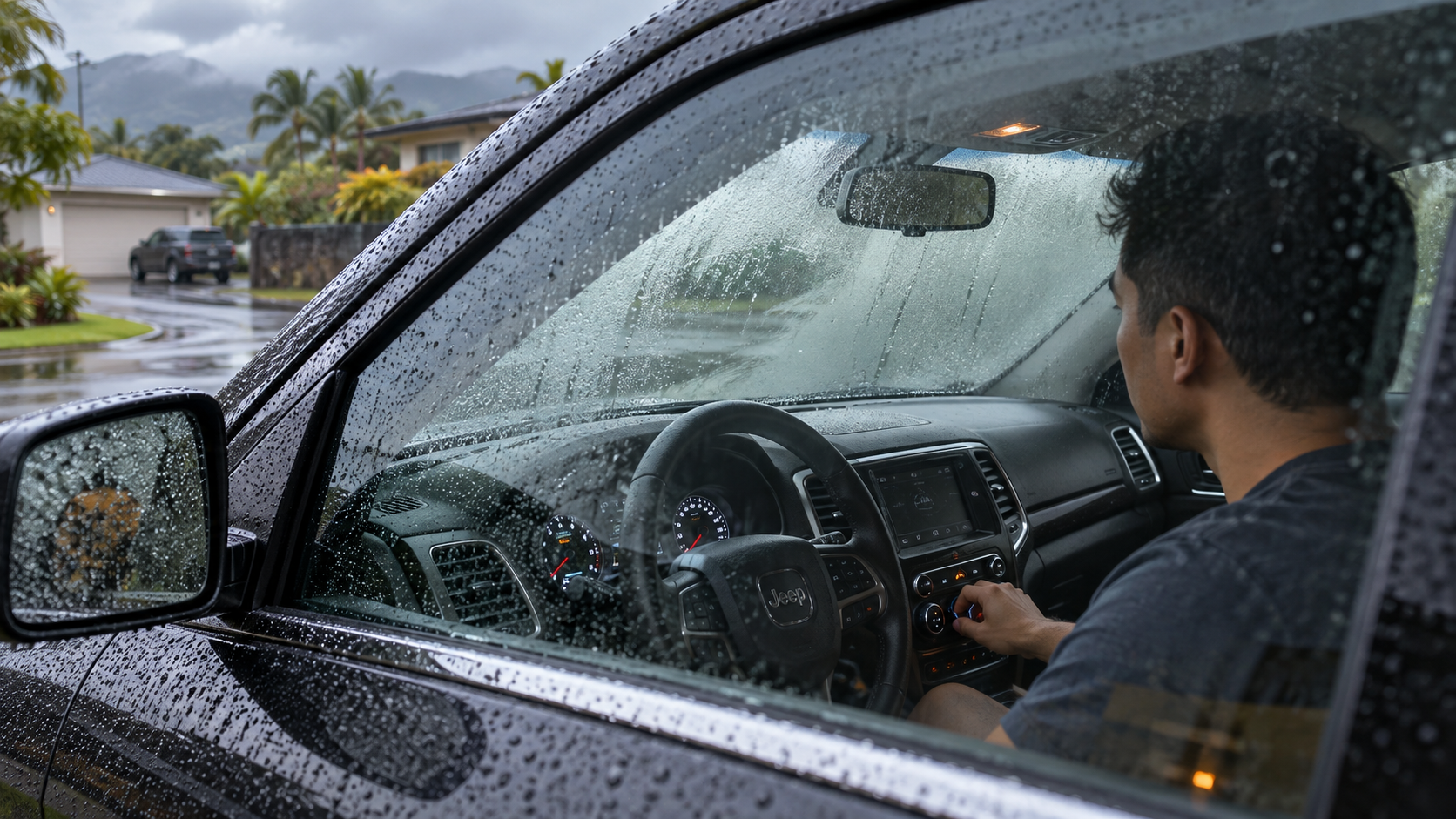
When condensation inside car windows blocks your view, the problem deserves attention before you leave your driveway. Pearl City drivers face humid air and sudden rain during much of the year. Moisture on the interior glass can hide pedestrians, lane markings, or cars beside you. Fortunately, a few targeted checks can reveal where the moisture originates. Start by clearing the glass, then address the source before your next trip. Why Condensation Forms on the Inside of Car Windows Warm air holds water vapor. When humid cabin air touches cooler glass, that vapor can turn into tiny liquid droplets. Those droplets scatter light and create the cloudy film you see on a windshield. Rain can worsen the problem when passengers enter with wet clothing or umbrellas. Damp carpets and floor mats can also release moisture into the cabin after you park. Why does condensation inside car windows return after you wipe the glass? Wiping removes droplets, but it does not remove the moisture producing them. Therefore, the fog can return once the glass cools again. A dirty windshield makes the haze harder to clear because residue spreads droplets across the surface. Clean glass and drier cabin air address different parts of the same problem. A parked vehicle can develop fog overnight as cabin temperatures change. Still, persistent dampness calls for closer inspection. Check whether a floor mat feels wet despite dry shoes and clothing. Also look for moisture around door openings and the cargo area. If you find standing water, arrange an inspection before mold or material damage develops. How to Clear Foggy Car Windows Safely Start your vehicle while parked and select the windshield defrost setting. In most vehicles, this directs airflow toward the front glass. Turn on the air conditioning when the vehicle permits it. The cooling coil removes moisture from passing air, even when you request warm cabin air. Next, select fresh outside air when that option is available. Recirculating humid cabin air can slow the clearing process. Warm airflow also raises the glass temperature. As a result, the air touching the windshield becomes less likely to release moisture onto it. Set the fan high enough to clear the glass, then adjust it for comfort. For side windows, aim suitable vents toward the affected areas. Consult your owner's manual and service resources because automatic climate controls differ between vehicles. Before leaving your driveway, take a moment to test the equipment responsible for keeping your windows clear. Each control serves a different purpose, so checking them together provides a more complete visibility inspection. Front defroster: Direct airflow toward the windshield and confirm that moisture begins clearing from the interior glass. Air conditioning and ventilation: Test the cooling function and fresh-air setting to remove excess cabin moisture. Rear defogger: Activate the rear window heating element, if equipped, and confirm that the glass begins clearing. If your windshield remains clouded, stay parked until you can see clearly. Do not reach across the dashboard to wipe the glass while moving. Instead, remove the film with a clean microfiber cloth before starting your trip. Use an interior glass cleaner that suits automotive surfaces. Avoid applying ordinary exterior wax to the inside of the windshield. Wax can leave residue and create distracting glare after dark. The Chrysler Pacifica, Jeep Wrangler, and Ram 1500 offer climate controls with model-specific layouts. Therefore, identify your own defrost icons before a rainy drive. A rear defogger uses heating elements on equipped glass, while front defrost primarily uses conditioned airflow. How to Prevent Interior Moisture From Returning An effective moisture routine begins before rain reaches Pearl City. Remove soaked towels, umbrellas, and clothing as soon as you arrive home. Dry wet floor mats outside the vehicle. In addition, check beneath the mats instead of assuming the surface is the only damp area. Water can collect under carpet padding and remain hidden for days. Inspect door weatherstripping for tears, gaps, or material that no longer sits against the body. Next, examine visible window seals and the cargo opening. A loose seal may permit rainwater to reach carpeting or interior trim. However, moisture also enters when passengers bring water indoors. Identify which source applies before replacing parts. Some moisture problems remain hidden until heavy rainfall. For this reason, examining several common collection points can reveal leaks before extensive interior damage occurs. Pay attention to recurring dampness after the vehicle has been parked. Floor mats and carpet padding: Lift the mats and check beneath them for dampness, discoloration, or persistent odors. Door and window seals: Look for torn rubber, loose trim, or visible gaps that could permit rainwater to enter. Cargo area and drainage paths: Check for collected water, damp upholstery, or debris near accessible drainage openings. Blocked drainage paths can lead to wet carpeting. Sunroof drains, where equipped, carry rainwater away through designated passages. Leaves and debris may restrict those routes. Do not force a stiff wire into a drain because it can damage the tubing. Instead, ask a technician to inspect a persistent leak and clear the passage safely. Do moisture absorbers solve a recurring condensation problem? They absorb limited amounts of water from parked cabin air. However, they cannot repair a leaking seal or saturated carpet padding. Treat them as an optional supplement after identifying the underlying source. If odors or damp surfaces persist, arrange a professional inspection. Persistent fogging can also warrant checking the cabin air filter and climate controls. Restricted airflow may make windshield clearing more difficult. A technician can inspect these components when the defroster does not work as expected. Check Tires, Wipers, Brakes, and Lights Before Heavy Rain Clear interior glass is only one part of rainy-season preparation. Before a wet commute, inspect your tires for shallow tread, uneven wear, or visible damage. Tire grooves move water away from the tread's contact area. When those channels wear down, the tire may lose contact with wet pavement more readily. Measure tread depth and check cold inflation pressure against the vehicle's door placard. Drivers who notice worn tread or uneven tire wear can request professional tire inspections and maintenance at Cutter Chrysler Jeep Dodge of Pearl City. Checking tire condition before heavy rain gives drivers time to address potential traction concerns. Wipers deserve a stationary test with washer fluid. Replace blades that skip, chatter, tear, or leave broad streaks. Clean the outer windshield to remove grime that limits visibility. Also inspect the washer reservoir and confirm that the spray reaches the glass. Poor visibility can result from worn wipers even after interior fog disappears. Next, look for brake warning lights, unusual sounds, vibration, or changes in pedal response. These signs warrant a brake inspection before a rainy trip. Brakes slow the wheels, but tires must maintain grip against the road. For this reason, sound brake components cannot compensate for badly worn tires. Never postpone service when the brake pedal feels abnormal. Check low beams, taillights, turn signals, and brake lights with the car parked. Daytime running lights may not activate rear lighting. Ask someone to observe your brake lights from outside when necessary. On a Jeep Wrangler or Dodge Durango, follow the owner's manual for bulb or lighting checks. Proper lighting makes your vehicle easier to notice during a downpour. Finish Your Pearl City Rain Preparation Before Leaving Hawaii's wetter months extend roughly from October through April, but showers can occur outside that period. Rainfall also changes sharply across Oahu. Therefore, a clear driveway does not guarantee dry pavement along your whole route. Review current road alerts before departure and reconsider travel during flood warnings. A final inspection should focus on visibility, mechanical readiness, and supplies for an unexpected delay. You can complete these checks before leaving home or heading into heavier rainfall. Visibility: Confirm the windshield, side windows, and rear glass are clear. Test the wipers and washer spray before leaving. Vehicle readiness: Inspect tire condition, confirm exterior lights work, and address unusual brake responses or dashboard warnings. Rain preparation: Remove damp belongings, carry basic roadside supplies, and check local road alerts before your trip. Once on the road, reduce speed when water limits visibility or traction. Leave additional room behind the vehicle ahead. Never drive through flooded pavement because water depth and road damage may be hidden. If visibility drops too far, find a safe place to stop away from moving traffic. Regular vehicle maintenance in Pearl City can address worn components before rainy weather exposes them. Checking your tires, lights, brakes, and visibility equipment is a useful part of seasonal preparation. Condensation inside car windows should not become a routine part of your Pearl City commute. Clearing the glass addresses the immediate concern, while moisture checks reduce the chance of another foggy trip. If cabin dampness persists or safety equipment needs attention, schedule an inspection with Cutter Chrysler Jeep Dodge of Pearl City. You can prepare for the next heavy rain with a clearer windshield and a vehicle you have checked carefully.