




Cutter Chrysler Jeep Dodge of Pearl City

Blog / Pearl City Jeep Dealer

Jeep Wrangler vs Gladiator: Which Fits Pearl City Driving

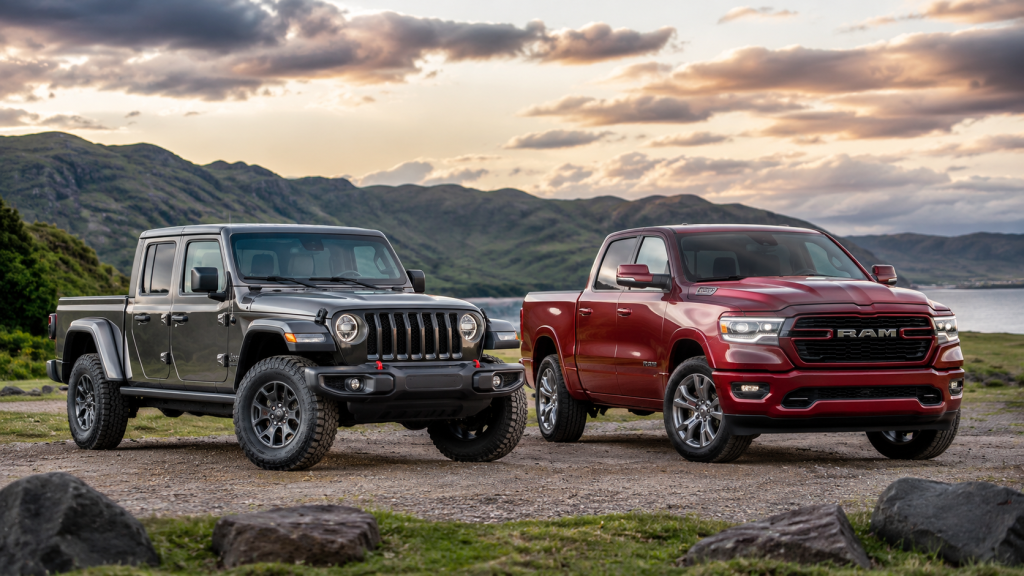
The Jeep Wrangler vs Gladiator comparison comes up constantly for Pearl City drivers. However, most comparisons stop at the obvious difference: one has a truck bed and one does not. The real differences, however, run deeper than that. Both models share a body-on-frame platform and a trail-ready character. Still, the Gladiator is longer, heavier, and configured as a truck. As a result, it handles differently on Oahu's surface streets, parking structures, and winding mountain roads. This guide applies the structural differences between the two to Pearl City driving patterns. It gives buyers a clear profile match before visiting Cutter Dodge Chrysler Jeep of Pearl City. 

Shared Platform, Different Purpose 

Both the Wrangler and the Gladiator sit on the same body-on-frame architecture. Consequently, they share core traits that separate them from unibody crossovers. The suspension is tuned for articulation on uneven terrain. The frame handles stress from off-camber loading and trail obstacles. As a result, both models ride stiffer than a Compass or Cherokee on pavement. Road noise, additionally, is higher on both. The steering communicates more of what the tires are doing beneath the driver. For buyers coming from a crossover background, that character requires an adjustment period. Furthermore, that adjustment applies regardless of which model they choose. 

However, the shared platform does not mean identical driving feel. The Gladiator adds significant length and weight to the same architecture. Its wheelbase stretches roughly 19 inches longer than the four-door Wrangler Unlimited. That extra length changes how the truck tracks on winding roads. The Pali Highway and H-3 corridor involve sweeping curves and tight transitions. In those situations, the Wrangler's shorter wheelbase makes direction changes feel more direct. By contrast, the Gladiator requires slightly more input through the same curves. On commute routes that cross the Koolau Range, that difference is noticeable every day. 

Size, Wheelbase, and What the Gladiator's Length Means on Island Roads 

Size is where the Gladiator separates from the Wrangler most visibly on island roads. The Gladiator runs approximately 31 inches longer overall than the four-door Wrangler Unlimited. That gap, therefore, is not marginal. On Pearl City's residential streets, the Gladiator requires more spatial awareness at every turn. In the parking structures near Pearlridge Center and in tighter commercial lots, it demands careful maneuvering. Furthermore, parallel parking and tight turnarounds on narrow island roads call for a wider turning arc than most Wrangler drivers expect. 

The width difference is less dramatic but still present. However, the Gladiator's truck configuration adds visual bulk that changes how it reads in tight spaces. For a buyer whose daily route involves urban Honolulu driving or school pickup in dense residential areas, the Wrangler's footprint is a genuine daily advantage. That said, the Gladiator is not unmanageable on Oahu roads at all. Drivers who make the adjustment find it workable after a short adjustment. The point is that the adjustment is real. Knowing that before the purchase is made is, therefore, worth more than discovering it afterward. 

Towing, Truck Bed, and Whether the Gladiator Replaces a Pickup 

The Gladiator's truck bed is its clearest structural advantage over the Wrangler. The standard bed measures five feet in length. That puts it in the same range as a short-bed half-ton pickup. It is, however, narrower than most full-size truck beds. For a Pearl City driver asking whether the Gladiator replaces a dedicated pickup, the answer follows from what that pickup was used for. Several Hawaii-specific hauling scenarios fall within the Gladiator's range: 

  • Landscaping materials, mulch, and rock in moderate quantities fit the Gladiator bed without difficulty. For island homeowners who run regular supply trips, the five-foot bed handles that load in a way the Wrangler's cargo area cannot approach. 
  • Surfboards, paddleboards, and longer recreational gear load flat in the Gladiator bed with the tailgate down. By contrast, the same gear requires a roof rack on the Wrangler, which adds cost and wind noise to every drive. 
  • Towing is where the Gladiator's structural advantage over the Wrangler is most significant. The Gladiator is rated for up to 7,700 pounds of towing. The Wrangler tops out around 3,500 pounds. For a Pearl City driver who tows a boat to Kaneohe Bay, that gap straightforwardly justifies the Gladiator's higher price. 

The Wrangler's cargo area is not without utility. Behind the rear seat, it carries gear, groceries, and equipment for most daily use. However, it cannot accept the long, flat loads that the Gladiator bed handles without modification. For buyers who need the open bed on a regular basis, the Gladiator is the right platform. For buyers who load soft bags and gear bags, the Wrangler is sufficient and more maneuverable. 

Off-Road Character and Where the Two Models Diverge 

Off-road character is where buyers expect the biggest difference and find the smallest one. Both models are available in Rubicon trim. The Rubicon package, moreover, brings locking front and rear axles, disconnecting sway bars, and 33-inch mud-terrain tires. So at matched trim levels, both models arrive at the trailhead with equivalent hardware. The difference, instead, shows up in geometry and not equipment. 

The Wrangler's shorter wheelbase produces better approach and departure angles on tight trail sections. In Hawaii, volcanic terrain involves abrupt elevation changes and narrow switchbacks. In those situations, a shorter vehicle clears obstacles with more margin. The Gladiator's longer wheelbase reduces those angles. Consequently, it may contact terrain in spots where a Wrangler clears cleanly. For serious technical trail use on Hawaii's tighter routes, the Wrangler holds a geometric edge. However, for most Oahu trail access and recreational off-road areas, the Gladiator handles the terrain without issue. 

Which Model Fits Which Pearl City Driver 

The clearest way to close this comparison is to match each model to the driver profile it serves most naturally. At Cutter Dodge Chrysler Jeep of Pearl City, the team is familiar with Oahu driving patterns across both models. The right answer, therefore, follows from how the vehicle will be used most days. The profiles break down as follows: 

  • The Wrangler fits a driver whose primary use is daily commuting on Oahu roads with weekend trail access. Its shorter footprint is easier to manage in Pearl City parking. Its lighter weight makes it more responsive on the Pali and H-3. Additionally, its open-air character suits the island lifestyle without requiring the added length and weight of a truck platform. 
  • The Gladiator fits a driver who needs genuine truck utility on a regular basis. Towing a boat or trailer, hauling open-bed loads, and carrying long gear items all fall within its strengths. Because it brings those capabilities without giving up trail-ready architecture, it serves buyers who want a Jeep and need a truck in the same vehicle. 
  • Either model works well with the Rubicon package for buyers who access Hawaii's off-road trails regularly. The Wrangler Rubicon holds a geometric edge on tight technical terrain. The Gladiator Rubicon handles most accessible Oahu trail routes without issue. Moreover, it adds towing and bed utility that the Wrangler cannot match. 

For Pearl City drivers still working through this decision, a back-to-back test drive of both models on local roads is the most useful next step. The Wrangler's footprint and the Gladiator's additional length register differently in motion than they do on paper. The team at Cutter Pearl City can, additionally, set up both drives. They can also walk through the configuration options that fit that fit the buyer's specific route, trail access, and hauling needs across Oahu. 
Posted in:

Related Posts

Jeep Grand Cherokee 4xe Ownership Guide

Jeep Grand Cherokee 4xe ownership introduces a different driving routine because charging habits, regenerative braking, electric commuting, and gasoline backup operation all work together throughout daily travel. Drivers researching the Jeep Grand Cherokee 4xe are usually trying to understand whether plug in hybrid ownership creates major changes to commuting, fueling, and charging routines compared with a traditional SUV. The answer starts with how the drivetrain blends electric and gasoline power together automatically while still preserving long distance travel flexibility through the gasoline engine. Why Plug In Hybrid Driving Feels Different From a Traditional SUV The first major difference drivers notice in the Jeep Grand Cherokee 4xe comes from electric motor response. Electric motors generate torque immediately because power transfers directly into rotational movement without requiring combustion buildup. Torque measures rotational pulling force. Instant electric torque changes how the SUV accelerates from stoplights, parking lots, and slower traffic movement because acceleration begins immediately after throttle input. The Jeep Grand Cherokee 4xe drivetrain combines: • A gasoline engine • Electric motor integration • High voltage battery storage • Regenerative braking support • Automatic hybrid power management more This changes driving feel in several ways: • Acceleration responds more immediately at lower speeds • Cabin vibration decreases during electric driving • Stop and go traffic movement feels smoother • Lower speed commuting becomes quieter than traditional gasoline SUVs The electric motor also assists the gasoline engine during acceleration. Instead of waiting for engine RPM to build power gradually, electric torque fills in acceleration demand immediately. That creates a smoother launch feel during urban commuting and highway merging. Drivers transitioning from traditional SUVs usually notice that the 4xe drivetrain feels more responsive at lower speeds while still preserving gasoline powered highway travel once battery charge decreases. How the Jeep Grand Cherokee 4xe Uses Electric and Gasoline Power Together Does the Jeep Grand Cherokee 4xe use gas and electricity together? Yes. The 4xe drivetrain continuously blends both power sources depending on throttle demand, battery charge level, speed, and driving conditions. A plug in hybrid drivetrain combines a combustion engine with an electric motor and rechargeable battery system. The Jeep Grand Cherokee 4xe can operate in fully electric driving mode during lighter commuting situations while still activating the gasoline engine automatically when additional power or extended range becomes necessary. The system transitions between power sources through: • Electric only driving during lighter throttle operation • Combined gasoline and electric acceleration under heavier load • Gasoline engine activation during extended highway travel • Battery charging support through regenerative braking and engine operation This automatic blending changes commuting fuel usage significantly. Shorter trips around town may rely heavily on battery power while longer highway driving gradually shifts more operation toward the gasoline engine. The Jeep Grand Cherokee 4xe also removes one of the largest concerns surrounding full battery electric vehicles. Once battery charge decreases, the gasoline engine continues powering the SUV normally. That creates a different ownership structure than a full EV because: • Charging supports fuel reduction instead of replacing travel range entirely • Gasoline backup eliminates dependence on charging station availability • Longer trips continue without waiting for battery charging • Daily commuting may consume substantially less gasoline during shorter routes Drivers researching plug in hybrid ownership are usually evaluating whether charging routines feel manageable without sacrificing travel freedom. The 4xe drivetrain addresses that concern directly through automatic hybrid operation. What Charging the Jeep 4xe Looks Like During Daily Driving How long does it take to charge the Jeep 4xe? Charging time changes depending on the charging method being used. The Jeep Grand Cherokee 4xe supports multiple charging levels: • Level 1 charging through standard household outlets • Level 2 charging through higher voltage home charging equipment • Public charging station access for faster charging support Level 2 charging becomes the most common home setup because it replenishes battery energy substantially faster than standard outlet charging. Charging routines shift ownership habits away from gasoline station visits and toward overnight charging periods while the SUV remains parked. Drivers plug the vehicle in during evening hours and begin the next morning with battery charge already replenished. The transition becomes easier once drivers stop viewing charging as a separate fueling event and instead connect charging to normal parking habits. Charging patterns also depend heavily on commuting distance: • Shorter commutes allow more electric driving operation • Longer highway driving increases gasoline engine usage • Frequent stop and go traffic increases regenerative braking energy recovery • Overnight parking supports steady battery replenishment Drivers in Hawaii also evaluate charging access differently because commuting loops tend to remain shorter than many mainland driving patterns. The Jeep Grand Cherokee 4xe structure fits these shorter travel loops effectively because electric driving operation supports lower speed urban and suburban commuting particularly well. How Regenerative Braking and Electric Torque Change Commuting Does regenerative braking charge the battery? Yes. Regenerative braking converts vehicle movement back into electrical energy during deceleration. Traditional gasoline vehicles lose braking energy through heat generated at the brake rotors and pads. The Jeep Grand Cherokee 4xe electric motor can reverse operation during deceleration and function as a generator instead. Instead of wasting vehicle momentum as heat, regenerative braking redirects some of that rotational energy back into the battery pack. This changes commuting response through: • Earlier deceleration after lifting off the accelerator • Reduced friction brake usage during traffic movement • Battery energy recovery during downhill travel • More efficient stop and go commuting operation The regenerative braking system becomes more noticeable during: • Urban traffic • Parking approach speeds • Gradual deceleration • Descending roads • Stoplight traffic patterns Electric torque delivery also changes acceleration feel. Gasoline engines gradually build power as RPM increases while electric motors deliver torque instantly. The Jeep Grand Cherokee 4xe combines both systems together: • Electric torque improves low speed acceleration response • Gasoline power supports sustained highway operation • Hybrid blending smooths acceleration transitions • Regenerative braking recovers energy during deceleration These systems work together continuously during commuting without requiring constant driver input or manual power management decisions. Which Drivers Fit Plug In Hybrid Ownership Most Effectively The Jeep Grand Cherokee 4xe fits drivers whose commuting patterns include shorter daily driving loops, overnight parking access, and occasional longer distance travel requiring gasoline support. Drivers commuting moderate distances daily may rely heavily on electric operation during routine driving while still maintaining unrestricted highway range through the gasoline engine. That combination changes ownership flexibility compared with full EV platforms. The Jeep Grand Cherokee 4xe ownership structure fits particularly well for drivers prioritizing: • Electric commuting support • Reduced gasoline usage during shorter trips • Gasoline backup during longer travel • SUV passenger and cargo flexibility • Charging access at home or work The 4xe also continues operating normally even if charging is skipped temporarily. Once battery charge decreases, the gasoline engine maintains standard vehicle operation automatically. That distinction matters because many drivers researching electrified vehicles remain uncertain about: • Charging access • battery range limitations • longer trip planning • ownership transition difficulty The Jeep Grand Cherokee 4xe bridges those concerns by combining electric commuting support with conventional gasoline travel flexibility inside the same SUV platform.

Jeep Gladiator vs Ram 1500 Towing Comparison

Jeep Gladiator vs Ram 1500 towing comparisons usually begin with maximum trailer ratings, though towing strength involves far more than a single number. Truck size, frame structure, suspension tuning, axle gearing, payload limits, and wheelbase length all shape how a truck manages trailer weight on highways, steep grades, and uneven pavement. Some drivers want a truck that remains maneuverable in tighter spaces while still pulling boats or campers. Others prioritize trailer stability, cargo loading strength, and higher payload support for heavier equipment. Understanding how the Jeep Gladiator and Ram 1500 approach towing from completely different truck platforms creates a much clearer picture of which model fits specific hauling priorities. Why Midsize and Full Size Trucks Tow Differently A midsize truck and a full size truck distribute trailer weight differently because the chassis dimensions, suspension structure, and overall mass are built around separate hauling goals. The Jeep Gladiator uses a narrower body structure and a shorter overall footprint than the Ram 1500, giving it tighter maneuverability in parking areas, trail access points, and urban driving situations. The Ram 1500 uses a larger frame structure with greater overall mass, which changes how trailer force transfers through the truck at highway speed. The Jeep Gladiator towing structure starts with a reinforced body on frame platform paired with solid front and rear axles. Solid axles maintain wheel articulation during uneven terrain travel while also supporting trailer load distribution through the rear axle assembly. Gladiator Max Tow models increase towing support through revised axle gearing and cooling calibration, allowing the engine to maintain torque multiplication more effectively under heavier loads. The Ram 1500 approaches towing from a different direction. Its larger chassis spreads trailer leverage across a wider footprint, reducing steering correction during highway towing. A longer full size wheelbase changes how trailer sway transfers through the truck during lane changes, crosswinds, and uneven pavement transitions. Shoppers evaluating truck towing comparison pages should look beyond raw towing numbers and evaluate: more • Wheelbase length • Rear suspension load control • Axle gearing • Trailer brake calibration • Frame size and overall truck mass These factors shape how stable a trailer feels once weight begins shifting across the truck during acceleration, braking, and steering corrections. How Payload Capacity Changes Truck Utility Payload capacity measures how much total weight a truck can carry inside the cabin and bed before reaching its maximum load threshold. Payload includes passengers, cargo, trailer tongue weight, tools, hitch hardware, and aftermarket accessories. This is where truck towing calculations become far more technical than most comparison pages explain. A trailer transfers part of its weight directly onto the truck through tongue weight. If a camper weighs 6,000 pounds, tongue weight may add roughly 600 pounds directly onto the rear suspension. That load immediately reduces remaining payload capacity. The Ram 1500 payload structure supports larger hauling workloads because its rear suspension and frame dimensions are built around heavier cargo transfer. A wider chassis and larger rear axle structure distribute weight more gradually during bed loading and trailer hookup. This changes how the truck settles under load and how braking force remains balanced across all four wheels. The Jeep Gladiator payload structure remains highly functional for midsize truck hauling, though its smaller dimensions create different loading priorities. Cargo placement becomes far more important inside the Gladiator bed because weight concentration changes steering feel and rear suspension compression more quickly. Truck payload discussions should include: • Passenger weight calculations • Trailer tongue weight • Hitch equipment weight • Bed cargo positioning • Suspension compression under load Ignoring payload math creates one of the most common towing mistakes among truck buyers. A truck may technically tow a trailer while still exceeding payload limits once passengers and cargo are added. What Wheelbase Length and Suspension Tuning Change During Towing Wheelbase length changes how trailer movement transfers into the truck during highway driving. A longer wheelbase spreads trailer leverage across a larger footprint, reducing how aggressively the trailer can pivot the rear of the truck during crosswinds or steering corrections. The Ram 1500 wheelbase structure gives the truck a calmer towing posture during higher speed hauling. Trailer sway movement transfers more gradually through the frame, reducing sudden steering input corrections. Its rear suspension tuning also reduces rear squat under heavier tongue weight, helping maintain more balanced front tire contact during braking and cornering. The Jeep Gladiator uses a longer wheelbase than the Wrangler platform it originates from, which creates far more towing stability than many drivers expect. Extending the chassis behind the cab changes how the truck distributes trailer leverage while still preserving the maneuverability advantages of a midsize truck. Suspension tuning also shapes towing response: • Softer suspension tuning absorbs road harshness more gradually • Firmer rear calibration limits excessive rear compression • Axle gearing changes torque delivery during uphill towing • Tire sidewall stiffness changes trailer sway feedback These details matter once trailer weight begins shifting dynamically across the chassis. Steering feel, braking stability, and lane correction response all change depending on how suspension geometry manages trailer leverage. How Truck Bed Size and Cargo Positioning Affect Hauling Truck bed utility involves more than total bed length. Cargo position changes how weight transfers through the frame, suspension, and steering system. Improper cargo loading increases rear suspension compression while unloading weight from the front axle, reducing steering precision and braking balance. The Ram 1500 bed structure supports larger equipment loading because its wider cargo dimensions create more flexibility for palletized materials, generators, toolboxes, and longer construction items. Its larger bed volume also spreads weight more evenly across the chassis. The Jeep Gladiator bed design focuses on multifunction truck utility while preserving maneuverability and trail access proportions. The bed dimensions support motorcycles, camping gear, outdoor equipment, and moderate trailer support while keeping the truck narrower and easier to navigate through tighter spaces. Cargo loading strategy matters heavily in both trucks: • Heavier cargo should remain low and close to the cab • Uneven side loading changes steering balance • Rear concentrated weight increases suspension squat • Higher cargo placement raises center of gravity Truck bed discussions that stop at dimensions fail to explain how hauling balance changes once weight begins moving through the suspension structure. Which Truck Fits Different Towing and Payload Priorities The Jeep Gladiator and Ram 1500 serve different towing priorities despite overlapping truck utility roles. The Gladiator balances midsize maneuverability, trail capable chassis engineering, and moderate towing support into a platform that remains highly adaptable across mixed driving situations. Drivers towing smaller campers, boats, utility trailers, or outdoor equipment may appreciate how the Gladiator preserves tighter movement without sacrificing truck utility. The Ram 1500 prioritizes larger scale towing support through greater frame mass, wider chassis dimensions, increased payload strength, and calmer highway trailer response. Drivers hauling heavier trailers or carrying larger equipment loads may prefer how the Ram distributes trailer force more gradually during extended towing travel. Choosing between the Jeep Gladiator and Ram 1500 involves evaluating: • Trailer size • Cargo weight • Passenger load • Parking and maneuverability priorities • Highway towing frequency • Bed loading requirements The strongest truck choice is rarely the truck with the highest number alone. The better evaluation comes from understanding how truck structure, suspension tuning, payload support, and wheelbase design shape towing response once real weight enters the equation.