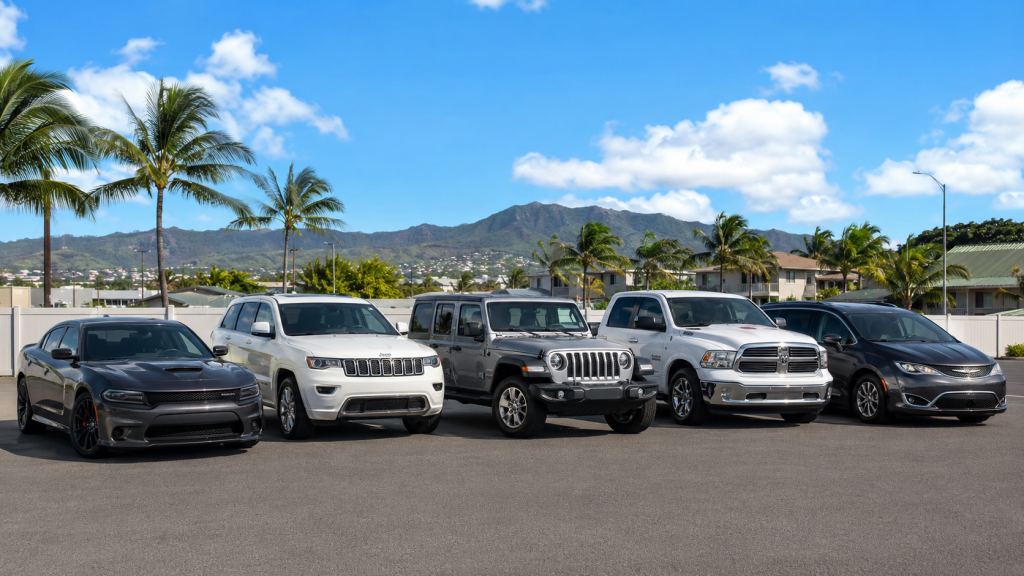






A used car dealer near me should make it possible to review more than the vehicle sitting on the lot. History, warranty terms, current condition, recalls, and final transaction figures all deserve separate attention. Therefore, a careful purchase starts with written information and then moves into a physical review. A test drive adds another layer because it shows how the vehicle responds on the road. The final step is making sure the price, financing, and paperwork all match what you agreed to.
Start With the Vehicle and Written Disclosures
What should you expect from a used car dealer near me before committing? You should be able to review the vehicle, its disclosures, and the transaction details before signing. Therefore, start with the Buyers Guide and the basic vehicle information.
The Buyers Guide explains whether the vehicle carries warranty coverage or is sold as is. In addition, it provides written terms that should match what you hear during the sale. Keep a copy with your records after purchase.
Next, review the mileage, trim, major equipment, and visible wear. Those details establish the vehicle you are evaluating before pricing or financing enters the discussion. However, they do not tell you everything about its past.
A used car dealer near me should also provide enough time to inspect the vehicle before you commit. Check the exterior, interior, tires, lights, glass, and controls. Therefore, any questions can be raised before paperwork begins.
History Reports and Inspections Serve Different Purposes
Does a clean vehicle history report mean the car needs no inspection? No. A history report shows recorded events, while an inspection checks the vehicle as it sits today.
A report may show title data, reported collisions, prior owners, and recorded mileage. However, not every repair or maintenance event appears in those records. Therefore, a clean report should not replace a physical review.
An inspection can reveal tire wear, fluid leaks, brake concerns, worn suspension parts, or other present issues. In addition, it can show whether prior repairs appear complete and secure. That makes the inspection useful even when the history looks clean.
Before committing, compare three sources of information.
- Review the Buyers Guide so warranty or as is terms are clear in writing.
- Review the history report for title records, reported damage, ownership, and mileage information.
- Review the current mechanical state through inspection so present concerns are not hidden by past records.
A used car dealer near me should make these checks easy to discuss. Therefore, ask about anything that does not match across the records and the physical vehicle.
What to Check During a Used Vehicle Test Drive
What should you check during a used vehicle test drive? Focus on steering, braking, power delivery, noise, vibration, visibility, and controls. Each area can reveal something that a parked inspection cannot.
Start slowly and listen for unusual noises as the vehicle begins moving. In addition, watch the dashboard for warning lights that stay illuminated. Steering should respond cleanly without pulling or unusual vibration.
Next, test the brakes with normal pressure. The vehicle should stop in a straight line without strong vibration or grinding sounds. Therefore, any change in pedal feel deserves a closer look.
During acceleration, pay attention to transmission response and engine smoothness. Shifts should occur without harsh jolts or long delays. In addition, test visibility through the windshield, mirrors, and rear glass.
A used car dealer near me should give you time to drive on roads similar to your routine. Use that time to check parking, turning, merging, and low speed control. Therefore, the test drive becomes a vehicle review, not a quick lap around the block.
Verify Recall Status and Current Mechanical State
How do you know whether the vehicle has an open recall? Use the 17 character VIN to check recall status before taking delivery. Recall information belongs to the exact vehicle, not the model name alone.
Moreover, the VIN can be found near the lower windshield on the driver side. It also appears on registration paperwork and the driver door label. Therefore, use the full VIN when checking recall records.
An open recall does not automatically mean the vehicle has a current mechanical problem. It means a manufacturer campaign remains open for that VIN. In addition, the repair path can vary by campaign.
Additionally, current mechanical state still needs separate attention. Tires, brakes, fluids, battery health, warning lights, and visible leaks should be reviewed. Therefore, recall status and inspection should remain two different checks.
A used car dealer near me should be able to discuss what has been inspected or repaired before sale. Ask what work has already been completed. In addition, ask whether any open recall requires a separate appointment.
Review Price Financing and Paperwork Before Signing
What should be clear before you sign the final paperwork? The sale price, APR, loan term, fees, optional products, warranty terms, and total cost should all be visible. Therefore, review each figure before focusing on the monthly payment.
A lower payment can come from a longer loan term. That can increase the total amount of interest paid. In addition, optional products can raise the financed amount even when the vehicle price stays the same.
Moreover, ask for a full breakdown before signing. Compare the sale price with the amount financed and the total of payments. Therefore, you can see where taxes, fees, trade value, down payment, and optional products appear.
Before committing, review these final items:
- Confirm the sale price and make sure it matches the number discussed before financing.
- Review APR and loan length together so the monthly payment does not hide a higher total borrowing cost.
- Check every optional product and fee so you know which items are required and which are elective.
Cutter Chrysler Dodge Jeep of Pearl City can walk through used inventory and transaction details before you decide. Bring your questions, review the records, and take time with the test drive. Then read the final paperwork carefully so the vehicle, price, and terms all match what you agreed to.