




Cutter Chrysler Jeep Dodge of Pearl City

Blog / Pearl City Dodge Dealer

2026 Dodge Durango Trim Comparison Guide

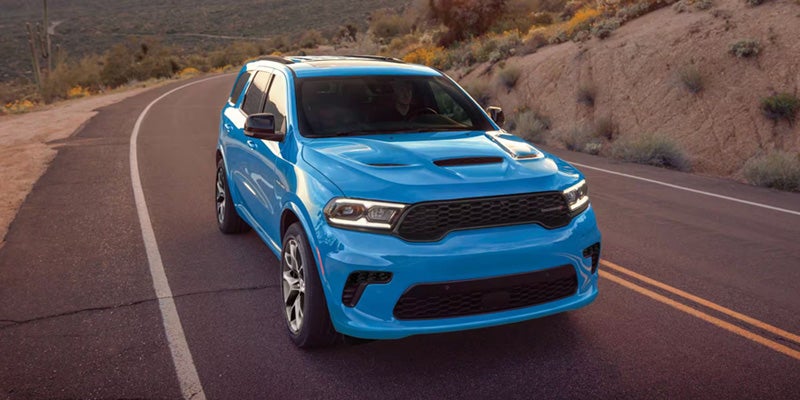
Dodge Durango trim comparison research usually starts with horsepower and towing numbers, though engine tuning, suspension calibration, AWD setup, and seating layouts shape how each trim responds during commuting, hauling, and highway driving. The 2026 Dodge Durango lineup spans from balanced V6 commuter focused trims to higher output HEMI V8 configurations built around stronger acceleration and towing force. Buyers comparing Durango trims are usually trying to understand whether the drivetrain upgrades, suspension revisions, and interior layout changes create noticeable differences during daily driving and passenger hauling. The answer begins with how Dodge calibrates each trim level mechanically.

Why Dodge Durango Trim Levels Feel Different on the Road

The Dodge Durango lineup shares the same overall SUV structure, though each trim level uses different drivetrain tuning, suspension calibration, wheel setups, and braking configurations that change how the SUV reacts during acceleration, steering, and highway movement.

A drivetrain includes the engine, transmission, driveshaft components, and differential assemblies transferring power to the wheels. Small drivetrain calibration changes alter throttle response, transmission shift timing, and traction delivery.

The Dodge Durango GT focuses heavily on balanced commuting response. Its V6 drivetrain calibration prioritizes smoother throttle transitions and steadier fuel usage during stop and go traffic. Steering effort and suspension movement are tuned toward controlled daily driving without creating aggressive chassis feedback.

The Dodge Durango R/T changes that formula through HEMI V8 torque delivery and revised suspension tuning. The additional engine torque shifts vehicle balance differently during acceleration because rear axle loading increases more aggressively under throttle.

These trim differences become noticeable through:
• Steering weight during acceleration
• Transmission shift timing under load
• Suspension firmness during cornering
• Brake pedal response during heavier speeds

The Dodge Durango SRT configuration amplifies those differences further through upgraded braking hardware, firmer suspension calibration, and higher output engine tuning. Higher speed stability changes because body movement remains tighter during aggressive acceleration and lane transitions.

Trim comparison pages that only list horsepower numbers fail to explain how differently these SUVs respond once weight transfer and drivetrain calibration enter the equation.

How V6 and HEMI Engines Change Acceleration and Towing

What engine comes in the Dodge Durango GT? The GT uses the Pentastar V6 engine, while higher Durango trims move into HEMI V8 configurations.

Horsepower and torque work together differently during SUV acceleration. Horsepower measures how quickly work is completed over time. Torque measures rotational pulling force. Larger SUVs respond heavily to torque because more vehicle mass requires stronger rotational force during acceleration and towing.

The Pentastar V6 setup balances smoother commuting operation with moderate towing support. During lighter throttle operation, the engine maintains more gradual acceleration buildup and calmer transmission response.

The HEMI V8 changes acceleration characteristics substantially:
• Lower RPM torque arrives earlier during throttle input
• Highway merging requires less transmission downshifting
• Trailer acceleration feels stronger under heavier load
• Passenger and cargo weight impact acceleration less aggressively

Towing response also changes because V8 torque output reduces drivetrain strain during uphill hauling and trailer acceleration. The Dodge Durango Tow N Go configuration further modifies towing preparation through upgraded cooling calibration, revised suspension tuning, and braking reinforcement.

Engine displacement also changes airflow and combustion force. Larger displacement V8 engines move more air and fuel through each combustion cycle, increasing torque output without requiring extremely high engine RPM.

Drivers comparing Durango trims should evaluate:
• Trailer weight expectations
• Passenger load frequency
• Highway commuting distance
• Acceleration preference
• Fuel usage priorities

The V6 setup fits drivers prioritizing smoother daily commuting and lighter towing support. HEMI trims prioritize stronger acceleration and heavier trailer hauling response.

What AWD Calibration and Suspension Tuning Change Across Trims

Does the Dodge Durango SRT have all wheel drive? Yes, though AWD calibration changes substantially across Durango trims.

An AWD system distributes engine torque between the front and rear axles based on traction demand, throttle input, and wheel speed monitoring. Different AWD calibrations change how aggressively torque transfers during acceleration and cornering.

The Dodge Durango GT AWD setup prioritizes traction consistency during wet pavement and changing road surfaces. Torque transfer remains smoother and less aggressive during commuting.

The Dodge Durango R/T and SRT setups calibrate AWD response differently:
• Rear axle torque bias increases during acceleration
• Suspension compression remains tighter during cornering
• Steering response sharpens under throttle
• Brake cooling and chassis stability increase at higher speeds

Suspension tuning also changes how the SUV handles body movement. Softer suspension calibration absorbs pavement movement more gradually while firmer suspension tuning limits body roll during acceleration and lane changes.

The Dodge Durango Tow N Go setup introduces additional suspension and braking revisions focused on towing control:
• Rear suspension squat decreases during trailer loading
• Brake heat management increases under heavier towing
• Steering stability improves during trailer sway correction
• Chassis movement settles faster during highway transitions

These differences matter because larger SUVs transfer significant weight during acceleration, braking, and trailer towing. Suspension geometry controls how effectively the chassis stabilizes those weight shifts.

How Interior Layout and Seating Configurations Vary by Trim

Which Dodge Durango trim has captain’s chairs? Seating layouts vary depending on trim level and package configuration.

Interior configuration changes passenger movement, cargo accessibility, and third row spacing. Second row captain’s chairs separate passenger seating into individual positions while creating a center aisle toward the third row. Bench seating increases passenger capacity though rear access becomes more restricted.

The Dodge Durango Citadel trim places heavier emphasis on passenger comfort and seating upgrades. Seating materials, interior trim surfaces, and second row spacing create a more passenger focused cabin structure.

Interior differences across trims include:
• Captain’s chair availability
• Cargo floor organization
• Seating material upgrades
• Driver display and infotainment layouts
• Rear passenger access spacing

Cargo floor geometry also changes storage organization. Flatter cargo floors create easier equipment stacking while raised floor sections reduce usable loading depth.

The Durango lower roofline compared with taller crossover SUVs changes passenger posture and cabin feel as well. Drivers evaluating seating layouts should focus on:
• Third row access frequency
• Passenger count requirements
• Cargo loading priorities
• Rear seat movement flexibility

Interior trim comparison becomes more useful when connected to passenger movement and cargo organization instead of feature lists alone.

Which Dodge Durango Trim Fits Different Driving Priorities

The Dodge Durango lineup separates into several distinct mechanical personalities despite sharing the same SUV platform.

The Dodge Durango GT fits drivers prioritizing balanced commuting, smoother drivetrain response, and moderate towing support. Its V6 setup creates steadier daily driving calibration without aggressive suspension stiffness.

The Dodge Durango R/T focuses heavily on stronger acceleration and towing force through HEMI V8 torque delivery. Drivers carrying heavier passenger loads or towing trailers more regularly may prefer how the V8 handles weight transfer under acceleration.

The Dodge Durango Citadel emphasizes passenger oriented seating upgrades and interior refinement while maintaining three row SUV functionality.

The Dodge Durango SRT pushes the platform furthest toward higher output SUV acceleration through upgraded brakes, suspension tuning, and drivetrain calibration.

Different Durango trims fit different priorities:
• GT prioritizes commuting balance and lighter towing
• R/T emphasizes V8 acceleration and towing force
• Citadel focuses more heavily on passenger comfort
• SRT prioritizes maximum acceleration and chassis response

Choosing between Dodge Durango trims requires evaluating how drivetrain calibration, suspension tuning, towing expectations, and seating configuration interact during actual driving situations. The largest difference between trims is not appearance or feature count alone. The biggest difference comes from how each configuration distributes power, stabilizes weight transfer, and responds under passenger and trailer load.


Posted in:

Recommended Posts

dodge charger honolulu

Dodge Charger Honolulu for Daily Driving in Pearl City

Dodge Charger Honolulu shoppers may consider when one car needs to handle commuting, errands, and stronger acceleration. The best fit starts with engine choice, fuel use, drivetrain, and the roads you travel most. However, the current Charger offers several ways to balance those priorities. R/T provides strong output with a lower power level than Scat Pack. Therefore, the daily decision should focus on what you want the car to do every week. Charger as a Daily Vehicle in Pearl City Is Dodge Charger Honolulu a sensible daily vehicle for Pearl City? Yes, if its size, fuel use, power, and cabin layout suit your routine. In addition, the current Charger can cover commuting, errands, and longer drives without giving up its strong Dodge identity. R/T gives you 420 horsepower from the 3.0 liter twin turbo SIXPACK engine. Therefore, freeway merging and passing require little effort. Moreover, the power delivery also feels more immediate than many ordinary commuter cars. more However, strong output is only one part of the daily decision. You should also consider parking, passenger space, fuel stops, and how far you drive each week. In addition, Pearl City traffic can place more value on smooth low speed control than maximum acceleration. Dodge Charger Honolulu shoppers should test the car on roads similar to their normal routes. Check visibility, steering effort, brake feel, and how the body fits into parking spaces. Those details tell you more about daily fit than a horsepower number alone. R/T and Scat Pack Serve Different Drivers How much engine output makes sense for a daily Charger? R/T gives 420 horsepower, while Scat Pack raises output to 550 horsepower. Therefore, both deliver strong acceleration, but they serve different priorities. R/T may make more sense for someone who wants fast response without choosing the highest gas output. In addition, its 468 pound feet of torque gives the car strong pull during merges and passing. As a result, that creates a broad power reserve for regular island travel. Scat Pack raises torque to 531 pound feet. Therefore, throttle inputs can produce much stronger acceleration. A driver choosing Scat Pack should consider whether that extra output matches daily use. Therefore, the extra power should serve a clear purpose. Before choosing, compare both trims around the same daily questions: Think about how much of your driving happens in traffic, on H1, or on shorter neighborhood trips. Compare how each trim responds from a stop and during a highway merge at moderate throttle. Review fuel requirements and weekly mileage so the engine choice fits your budget. Dodge Charger Honolulu shoppers may find that R/T covers more of their daily needs. By contrast, Scat Pack suits someone who places greater weight on stronger acceleration. What Charger Fuel Economy Means for a Commute What does Charger fuel economy mean for a daily commute? It shows how much fuel the car may use across a mix of city and highway travel. Dodge states that the 2026 Charger R/T reaches 23 mpg combined. Therefore, that number gives you a starting point for weekly fuel planning. A 230 mile week would equal about ten gallons at 23 mpg. However, your own result can change with traffic, speed, idling, and throttle input. Pearl City drivers may spend part of the week in slower traffic. Therefore, fuel use can rise when the car spends more time idling or moving at low speed. Highway travel can create a different result. In addition, stronger acceleration uses more fuel than gentle throttle input. That means the same Charger can return different mileage across different weeks. The combined rating works best as a planning reference, not a promise. Dodge Charger Honolulu owners can use it to estimate weekly fuel needs. Dodge Charger Honolulu shoppers should estimate their normal weekly mileage before choosing a trim. Multiply that distance by local fuel costs after dividing by the expected mpg. That simple calculation turns fuel economy into a budget number you can compare. AWD Changes How Power Reaches the Road Does all wheel drive change how the Charger works on ordinary Oahu roads? Yes. AWD can send engine power through all four wheels when the drivetrain calls for it. That gives the current Charger another way to manage strong torque. The Scat Pack comes with standard AWD and can switch to rear wheel drive. Therefore, the driver can move between two distinct power delivery layouts. AWD spreads power across four contact patches, while rear wheel drive sends power only to the rear axle. On wet pavement, that difference can matter during starts or stronger acceleration. In addition, AWD can make the car easier to launch smoothly when the road surface has less grip. It still cannot replace careful throttle input or proper tires. Dodge Charger Honolulu shoppers should think about how much time they spend on H1, neighborhood streets, and wet roads. The drivetrain should support the routes you use most. Dodge Charger Honolulu drivers should compare AWD and rear wheel drive during a test drive. Matching the Charger to Pearl City Life Which Pearl City routines fit the Charger best? It works well for someone who wants strong acceleration while still carrying passengers, groceries, and everyday gear. The final choice should reflect commute length, parking, fuel budget, and desired engine output. For shorter commutes, R/T may offer more power than you need while still keeping the setup straightforward. In addition, its combined 23 mpg rating gives you a clear planning number. Longer weekly mileage makes fuel cost more important. Scat Pack may appeal more to someone who wants the highest gas output in the current lineup. However, that choice should come after you consider traffic, road space, and fuel cost. More power only adds value when you plan to use it. Cutter Chrysler Dodge Jeep of Pearl City can show you current Charger trims in person. Sit in the car, test visibility, and drive routes similar to your normal week. Then compare R/T and Scat Pack with the same fuel, road, and commute questions in mind. A Charger can fit daily life in Pearl City when the trim matches the way you drive. Start with the routine you already have, then choose the engine and drivetrain that fit it.

used car dealer near me

Used Car Dealer Near Me and What to Check Before Buying

A used car dealer near me should make it possible to review more than the vehicle sitting on the lot. History, warranty terms, current condition, recalls, and final transaction figures all deserve separate attention. Therefore, a careful purchase starts with written information and then moves into a physical review. A test drive adds another layer because it shows how the vehicle responds on the road. The final step is making sure the price, financing, and paperwork all match what you agreed to. Start With the Vehicle and Written Disclosures What should you expect from a used car dealer near me before committing? You should be able to review the vehicle, its disclosures, and the transaction details before signing. Therefore, start with the Buyers Guide and the basic vehicle information. The Buyers Guide explains whether the vehicle carries warranty coverage or is sold as is. In addition, it provides written terms that should match what you hear during the sale. Keep a copy with your records after purchase. more Next, review the mileage, trim, major equipment, and visible wear. Those details establish the vehicle you are evaluating before pricing or financing enters the discussion. However, they do not tell you everything about its past. A used car dealer near me should also provide enough time to inspect the vehicle before you commit. Check the exterior, interior, tires, lights, glass, and controls. Therefore, any questions can be raised before paperwork begins. History Reports and Inspections Serve Different Purposes Does a clean vehicle history report mean the car needs no inspection? No. A history report shows recorded events, while an inspection checks the vehicle as it sits today. A report may show title data, reported collisions, prior owners, and recorded mileage. However, not every repair or maintenance event appears in those records. Therefore, a clean report should not replace a physical review. An inspection can reveal tire wear, fluid leaks, brake concerns, worn suspension parts, or other present issues. In addition, it can show whether prior repairs appear complete and secure. That makes the inspection useful even when the history looks clean. Before committing, compare three sources of information. Review the Buyers Guide so warranty or as is terms are clear in writing. Review the history report for title records, reported damage, ownership, and mileage information. Review the current mechanical state through inspection so present concerns are not hidden by past records. A used car dealer near me should make these checks easy to discuss. Therefore, ask about anything that does not match across the records and the physical vehicle. What to Check During a Used Vehicle Test Drive What should you check during a used vehicle test drive? Focus on steering, braking, power delivery, noise, vibration, visibility, and controls. Each area can reveal something that a parked inspection cannot. Start slowly and listen for unusual noises as the vehicle begins moving. In addition, watch the dashboard for warning lights that stay illuminated. Steering should respond cleanly without pulling or unusual vibration. Next, test the brakes with normal pressure. The vehicle should stop in a straight line without strong vibration or grinding sounds. Therefore, any change in pedal feel deserves a closer look. During acceleration, pay attention to transmission response and engine smoothness. Shifts should occur without harsh jolts or long delays. In addition, test visibility through the windshield, mirrors, and rear glass. A used car dealer near me should give you time to drive on roads similar to your routine. Use that time to check parking, turning, merging, and low speed control. Therefore, the test drive becomes a vehicle review, not a quick lap around the block. Verify Recall Status and Current Mechanical State How do you know whether the vehicle has an open recall? Use the 17 character VIN to check recall status before taking delivery. Recall information belongs to the exact vehicle, not the model name alone. Moreover, the VIN can be found near the lower windshield on the driver side. It also appears on registration paperwork and the driver door label. Therefore, use the full VIN when checking recall records. An open recall does not automatically mean the vehicle has a current mechanical problem. It means a manufacturer campaign remains open for that VIN. In addition, the repair path can vary by campaign. Additionally, current mechanical state still needs separate attention. Tires, brakes, fluids, battery health, warning lights, and visible leaks should be reviewed. Therefore, recall status and inspection should remain two different checks. A used car dealer near me should be able to discuss what has been inspected or repaired before sale. Ask what work has already been completed. In addition, ask whether any open recall requires a separate appointment. Review Price Financing and Paperwork Before Signing What should be clear before you sign the final paperwork? The sale price, APR, loan term, fees, optional products, warranty terms, and total cost should all be visible. Therefore, review each figure before focusing on the monthly payment. A lower payment can come from a longer loan term. That can increase the total amount of interest paid. In addition, optional products can raise the financed amount even when the vehicle price stays the same. Moreover, ask for a full breakdown before signing. Compare the sale price with the amount financed and the total of payments. Therefore, you can see where taxes, fees, trade value, down payment, and optional products appear. Before committing, review these final items: Confirm the sale price and make sure it matches the number discussed before financing. Review APR and loan length together so the monthly payment does not hide a higher total borrowing cost. Check every optional product and fee so you know which items are required and which are elective. Cutter Chrysler Dodge Jeep of Pearl City can walk through used inventory and transaction details before you decide. Bring your questions, review the records, and take time with the test drive. Then read the final paperwork carefully so the vehicle, price, and terms all match what you agreed to.

Used Cars Oahu and Why Prices Vary Across Pearl City

Used cars Oahu shoppers compare can look similar while carrying very different prices. Mileage, history, equipment, preparation, and local demand help explain those gaps. However, price alone cannot show everything behind one listing. A lower number may reflect higher mileage, prior damage, fewer features, or less preparation. Therefore, a smarter comparison starts with the exact details behind each vehicle. Why Used Vehicle Prices Differ Why do used cars Oahu shoppers compare have such different prices? Each vehicle carries its own mileage, history, trim, equipment, and current market value. Therefore, two similar listings can still land at very different asking prices. Model year gives you a starting point, but it does not finish the comparison. One vehicle may have fewer miles and a higher trim. Another may have more miles but a cleaner history. In addition, one may include four wheel drive, upgraded wheels, driver assistance features, or another factory package. more Local demand also changes the price range. A model that sells quickly on Oahu may hold a stronger asking price. By contrast, easier to find models may have more price competition. Used cars Oahu shoppers review should also be compared by configuration. A base trim and a higher trim may share the same model name. However, their equipment and original prices can be very different. For this reason, compare the full vehicle record before judging the number on the listing. Year, trim, mileage, history, and local supply belong in the same review. Mileage Age and Upkeep Work Together Does lower mileage always make one vehicle worth more? No. Mileage matters, but age, service records, and visible wear also shape used vehicle value. A lower odometer reading means the vehicle has traveled fewer miles. Therefore, some mechanical parts may have seen less road use. However, time still changes rubber parts, batteries, fluids, seals, and other components. A higher mileage vehicle may also have a strong service record. Regular oil changes, brake service, tire replacement, and other maintenance can support its overall value. In addition, clear records can show how the prior owner cared for it. Visible wear matters too. Check seat surfaces, steering wheel wear, paint, wheels, tires, and interior controls. Those areas can tell you more about the vehicle than mileage alone. Used cars Oahu shoppers compare should be reviewed with several points together: Compare mileage with the age of the vehicle so you can judge how heavily it has been driven. Review available service records so routine maintenance and larger repairs are easier to trace. Inspect tires, brakes, interior wear, and exterior damage because those items can add near term costs. Therefore, a lower mileage vehicle may justify a higher price when the rest of its record supports that number. Trim Equipment and History Change Value Can two vehicles from the same year and model still have different values? Yes. Trim, drivetrain, factory options, and prior history can create a large price gap. A higher trim may include upgraded seating, larger wheels, added safety features, or more cabin technology. In addition, four wheel drive can raise value on certain SUVs and trucks. Those features increase the equipment level beyond the base configuration. Packages can also matter. A towing package, premium audio setup, upgraded lighting, or driver assistance group can separate two similar listings. Therefore, compare window sticker details or vehicle equipment lists when they are available. History can move the price in the other direction. A reported collision may reduce market value even after repairs have been completed. In addition, title history can change how lenders, dealers, and future owners view the vehicle. Used cars Oahu shoppers review should never be judged by model name alone. The exact trim and history tell more of the story. Before deciding that one listing is overpriced, ask whether the higher priced vehicle carries more equipment or a cleaner record. That question can explain a large part of the difference. Oahu Supply and Dealer Preparation Matter Why can an Oahu asking price differ from a mainland pricing guide? Local supply and demand can move the market away from national averages. Therefore, Oahu listings should be compared with other nearby vehicles whenever possible. Geographic pricing matters because inventory levels differ from one market to another. A model may be plentiful in one state and scarce on Oahu. In addition, transport costs and local replacement supply can shape dealer pricing. Dealer preparation also adds another layer. A used vehicle may receive tires, brakes, fluid service, detailing, or cosmetic repair before it reaches the lot. Therefore, two similar listings may not have the same work already completed. Ask what inspection or preparation has been performed before sale. That information can explain why one listing carries a higher price than another. A useful comparison includes: Review nearby listings with similar year, trim, mileage, and drivetrain before using a national number as your only reference. Ask what mechanical or cosmetic work has been completed so you know what the asking price includes. Compare tire life, brake wear, service records, and visible condition across the vehicles on your short list. For this reason, used cars Oahu pricing makes more sense when local listings and preparation details are reviewed together. How to Judge a Reasonable Used Vehicle Price How can you tell whether the asking price makes sense? Start by comparing several similar vehicles instead of looking for one perfect number. A fair price usually falls within a range shaped by mileage, trim, history, equipment, and local supply. First, match the vehicle as closely as possible. Use the same model year, trim, drivetrain, and similar mileage. In addition, compare accident history and major equipment when those details are available. Next, look at what has already been serviced or replaced. New tires, recent brakes, fresh maintenance, or completed repairs can change the immediate costs after purchase. Therefore, those items deserve a place in the price comparison. Used cars Oahu shoppers consider can differ for good reasons. A higher price may come with fewer miles, stronger equipment, cleaner history, or recent preparation. A lower price may still make sense when those differences are clear. Cutter Chrysler Dodge Jeep of Pearl City can help you compare current used inventory with those details in mind. Review the mileage, equipment, history, and preparation on each vehicle before making your decision. That process gives you a clearer view of what you are paying for and why the prices differ.