




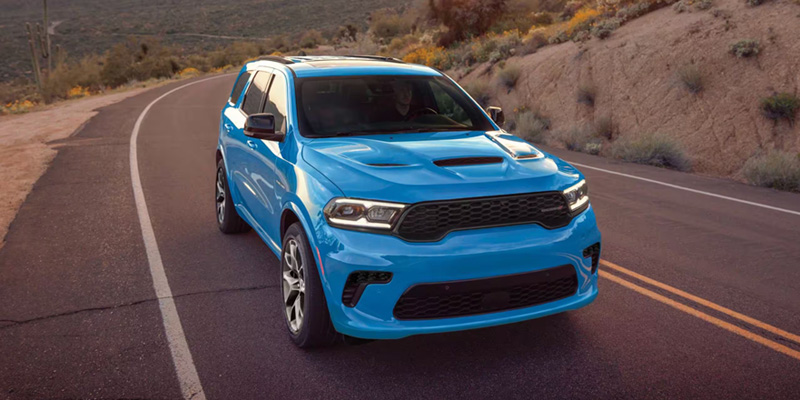
Dodge Durango trim comparison research usually starts with horsepower and towing numbers, though engine tuning, suspension calibration, AWD setup, and seating layouts shape how each trim responds during commuting, hauling, and highway driving. The 2026 Dodge Durango lineup spans from balanced V6 commuter focused trims to higher output HEMI V8 configurations built around stronger acceleration and towing force. Buyers comparing Durango trims are usually trying to understand whether the drivetrain upgrades, suspension revisions, and interior layout changes create noticeable differences during daily driving and passenger hauling. The answer begins with how Dodge calibrates each trim level mechanically.
Why Dodge Durango Trim Levels Feel Different on the Road
The Dodge Durango lineup shares the same overall SUV structure, though each trim level uses different drivetrain tuning, suspension calibration, wheel setups, and braking configurations that change how the SUV reacts during acceleration, steering, and highway movement.
A drivetrain includes the engine, transmission, driveshaft components, and differential assemblies transferring power to the wheels. Small drivetrain calibration changes alter throttle response, transmission shift timing, and traction delivery.
The Dodge Durango GT focuses heavily on balanced commuting response. Its V6 drivetrain calibration prioritizes smoother throttle transitions and steadier fuel usage during stop and go traffic. Steering effort and suspension movement are tuned toward controlled daily driving without creating aggressive chassis feedback.
The Dodge Durango R/T changes that formula through HEMI V8 torque delivery and revised suspension tuning. The additional engine torque shifts vehicle balance differently during acceleration because rear axle loading increases more aggressively under throttle.
These trim differences become noticeable through:
• Steering weight during acceleration
• Transmission shift timing under load
• Suspension firmness during cornering
• Brake pedal response during heavier speeds
The Dodge Durango SRT configuration amplifies those differences further through upgraded braking hardware, firmer suspension calibration, and higher output engine tuning. Higher speed stability changes because body movement remains tighter during aggressive acceleration and lane transitions.
Trim comparison pages that only list horsepower numbers fail to explain how differently these SUVs respond once weight transfer and drivetrain calibration enter the equation.
How V6 and HEMI Engines Change Acceleration and Towing
What engine comes in the Dodge Durango GT? The GT uses the Pentastar V6 engine, while higher Durango trims move into HEMI V8 configurations.
Horsepower and torque work together differently during SUV acceleration. Horsepower measures how quickly work is completed over time. Torque measures rotational pulling force. Larger SUVs respond heavily to torque because more vehicle mass requires stronger rotational force during acceleration and towing.
The Pentastar V6 setup balances smoother commuting operation with moderate towing support. During lighter throttle operation, the engine maintains more gradual acceleration buildup and calmer transmission response.
The HEMI V8 changes acceleration characteristics substantially:
• Lower RPM torque arrives earlier during throttle input
• Highway merging requires less transmission downshifting
• Trailer acceleration feels stronger under heavier load
• Passenger and cargo weight impact acceleration less aggressively
Towing response also changes because V8 torque output reduces drivetrain strain during uphill hauling and trailer acceleration. The Dodge Durango Tow N Go configuration further modifies towing preparation through upgraded cooling calibration, revised suspension tuning, and braking reinforcement.
Engine displacement also changes airflow and combustion force. Larger displacement V8 engines move more air and fuel through each combustion cycle, increasing torque output without requiring extremely high engine RPM.
Drivers comparing Durango trims should evaluate:
• Trailer weight expectations
• Passenger load frequency
• Highway commuting distance
• Acceleration preference
• Fuel usage priorities
The V6 setup fits drivers prioritizing smoother daily commuting and lighter towing support. HEMI trims prioritize stronger acceleration and heavier trailer hauling response.
What AWD Calibration and Suspension Tuning Change Across Trims
Does the Dodge Durango SRT have all wheel drive? Yes, though AWD calibration changes substantially across Durango trims.
An AWD system distributes engine torque between the front and rear axles based on traction demand, throttle input, and wheel speed monitoring. Different AWD calibrations change how aggressively torque transfers during acceleration and cornering.
The Dodge Durango GT AWD setup prioritizes traction consistency during wet pavement and changing road surfaces. Torque transfer remains smoother and less aggressive during commuting.
The Dodge Durango R/T and SRT setups calibrate AWD response differently:
• Rear axle torque bias increases during acceleration
• Suspension compression remains tighter during cornering
• Steering response sharpens under throttle
• Brake cooling and chassis stability increase at higher speeds
Suspension tuning also changes how the SUV handles body movement. Softer suspension calibration absorbs pavement movement more gradually while firmer suspension tuning limits body roll during acceleration and lane changes.
The Dodge Durango Tow N Go setup introduces additional suspension and braking revisions focused on towing control:
• Rear suspension squat decreases during trailer loading
• Brake heat management increases under heavier towing
• Steering stability improves during trailer sway correction
• Chassis movement settles faster during highway transitions
These differences matter because larger SUVs transfer significant weight during acceleration, braking, and trailer towing. Suspension geometry controls how effectively the chassis stabilizes those weight shifts.
How Interior Layout and Seating Configurations Vary by Trim
Which Dodge Durango trim has captain’s chairs? Seating layouts vary depending on trim level and package configuration.
Interior configuration changes passenger movement, cargo accessibility, and third row spacing. Second row captain’s chairs separate passenger seating into individual positions while creating a center aisle toward the third row. Bench seating increases passenger capacity though rear access becomes more restricted.
The Dodge Durango Citadel trim places heavier emphasis on passenger comfort and seating upgrades. Seating materials, interior trim surfaces, and second row spacing create a more passenger focused cabin structure.
Interior differences across trims include:
• Captain’s chair availability
• Cargo floor organization
• Seating material upgrades
• Driver display and infotainment layouts
• Rear passenger access spacing
Cargo floor geometry also changes storage organization. Flatter cargo floors create easier equipment stacking while raised floor sections reduce usable loading depth.
The Durango lower roofline compared with taller crossover SUVs changes passenger posture and cabin feel as well. Drivers evaluating seating layouts should focus on:
• Third row access frequency
• Passenger count requirements
• Cargo loading priorities
• Rear seat movement flexibility
Interior trim comparison becomes more useful when connected to passenger movement and cargo organization instead of feature lists alone.
Which Dodge Durango Trim Fits Different Driving Priorities
The Dodge Durango lineup separates into several distinct mechanical personalities despite sharing the same SUV platform.
The Dodge Durango GT fits drivers prioritizing balanced commuting, smoother drivetrain response, and moderate towing support. Its V6 setup creates steadier daily driving calibration without aggressive suspension stiffness.
The Dodge Durango R/T focuses heavily on stronger acceleration and towing force through HEMI V8 torque delivery. Drivers carrying heavier passenger loads or towing trailers more regularly may prefer how the V8 handles weight transfer under acceleration.
The Dodge Durango Citadel emphasizes passenger oriented seating upgrades and interior refinement while maintaining three row SUV functionality.
The Dodge Durango SRT pushes the platform furthest toward higher output SUV acceleration through upgraded brakes, suspension tuning, and drivetrain calibration.
Different Durango trims fit different priorities:
• GT prioritizes commuting balance and lighter towing
• R/T emphasizes V8 acceleration and towing force
• Citadel focuses more heavily on passenger comfort
• SRT prioritizes maximum acceleration and chassis response
Choosing between Dodge Durango trims requires evaluating how drivetrain calibration, suspension tuning, towing expectations, and seating configuration interact during actual driving situations. The largest difference between trims is not appearance or feature count alone. The biggest difference comes from how each configuration distributes power, stabilizes weight transfer, and responds under passenger and trailer load.
Connect with us


- August 2026
- July 2026
- June 2026
- May 2026
- April 2026
- May 2024
- March 2024
- February 2024
- December 2023
- November 2023
- October 2023
- September 2023
- August 2023
- July 2023
- June 2023
- May 2023
- April 2023
- March 2023
- February 2023
- January 2023
- December 2022
- November 2022
- October 2022
- September 2022
- August 2022
- July 2022
- June 2022
- May 2022
- April 2022
- March 2022
- February 2022
- January 2022