




Learning how to stop condensation in car windows starts with controlling cabin moisture and the windshield surface temperature. Furthermore, Pearl City rain can raise cabin humidity within minutes. In addition, wet clothing, umbrellas, and floor mats add more moisture. Therefore, clear glass requires dry air and a warmer windshield at the same time.
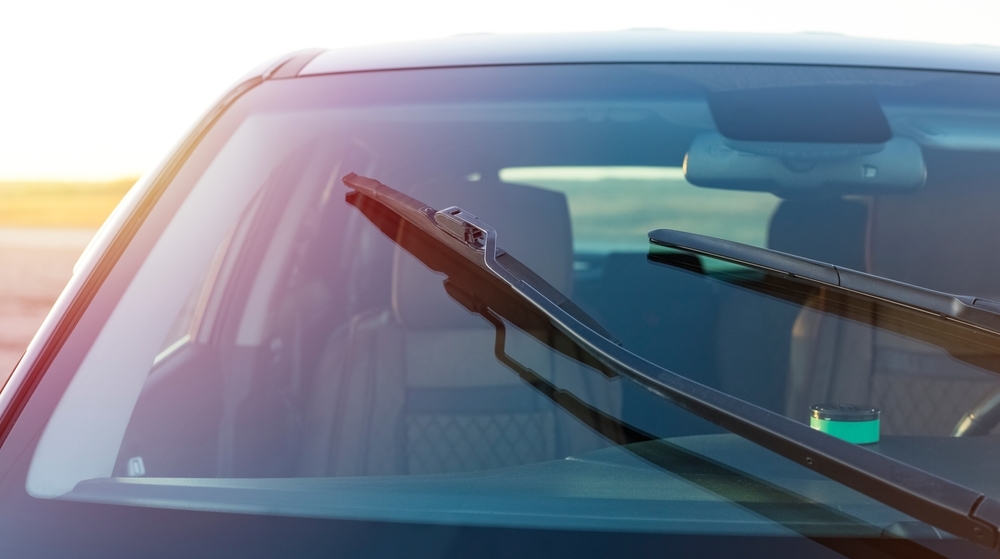
Why Moisture Forms on the Glass
Why do car windows fog during Pearl City rain? Moisture forms when humid cabin air touches cooler glass. The air holds water as vapor until the glass cools it. Then the vapor becomes tiny droplets across the surface.
Additionally, passengers add moisture through breathing. Beyond that, wet shoes, jackets, towels, and umbrellas add even more. Furthermore, damp carpet can keep releasing moisture after the rain stops. The cabin may feel dry while hidden padding remains wet.
Read the rest of this entry »Best Time to Trade In a Car for Pearl City Drivers
The best time to trade in a car comes when value, equity, mileage, and repair needs point toward a change. Pearl City drivers should review those signals together before visiting a dealership. Therefore, timing starts with current numbers instead of a month on the calendar. A clear review can show whether trading now supports your next vehicle plan.

Review Your Current Financial Position
Can you trade while money remains on the loan? An active loan can remain, but the lender payoff changes the final amount. First, request a current payoff quote from the lender. Additionally, compare that figure with a written appraisal.
Positive equity exists when the appraisal exceeds the payoff. Therefore, the remaining amount may reduce the next purchase price. Negative equity exists when the payoff exceeds the appraisal. Therefore, the gap must be paid or included in new financing.
The best time to trade in a car may arrive after the loan balance falls below the vehicle value. However, waiting is not always the stronger financial move. The vehicle may lose value while the balance drops. Repairs and added mileage may also narrow the gap.
Read the rest of this entry »Can you trade in a leased vehicle early? The answer starts with your contract, current payoff, appraisal, and leasing company rules. Pearl City drivers should review each figure before selecting another vehicle. Therefore, the process begins with the company holding the lease, not the next purchase.
Confirm Who Owns the Lease
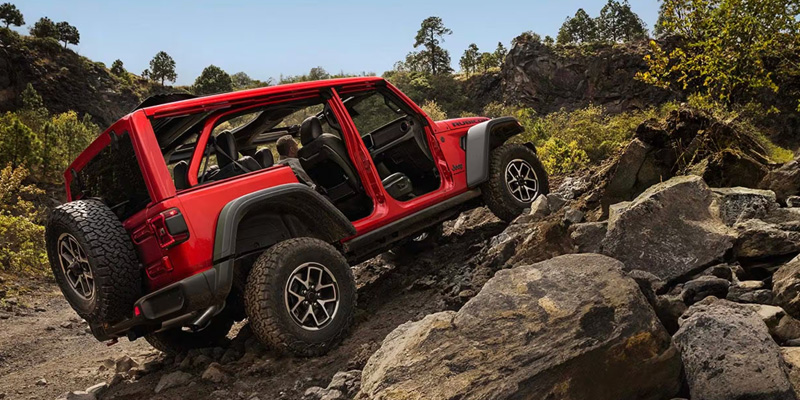
Who owns a leased vehicle during the contract? The leasing company owns it while you pay for its use. Therefore, you cannot transfer title without that company’s approval.
Start by reading the early exit and purchase sections of your agreement. Additionally, call the leasing company and request its current rules. Some companies permit dealership purchases, while others limit who may buy the vehicle.
Ask whether the dealer can receive a payoff quote directly. Furthermore, confirm whether the quote changes for you, the originating brand dealer, or another retailer. These rules shape which early trade paths remain open.
Read the rest of this entry »Buying a truck in Hawaii follows the same broad arc as any vehicle purchase. However, the details surrounding that arc are specific to the islands. The General Excise Tax structure differs from a mainland sales tax. Registration fees are calculated on vehicle weight. That surprises first-time truck buyers accustomed to flat-rate registration from prior sedan registration history. Furthermore, the trade-in market on Oahu runs differently from a mainland metro. Inventory at Pearl City dealerships, moreover, reflects island demand and not national trends. This guide walks through what a first-time Jeep or Ram buyer at Cutter Dodge Chrysler Jeep of Pearl City should expect at each step.
What the Dealership Visit Looks Like From Arrival to Keys
The dealership visit follows a predictable sequence. Knowing that sequence ahead of time removes most of the uncertainty first-time buyers feel. At Cutter in Pearl City, the process runs through the same core steps as any Stellantis dealership. However, the staff is accustomed to walking first-time buyers through each stage without pressure. The first step is identifying the vehicle. If you arrive with a model and trim in mind, the conversation moves faster.
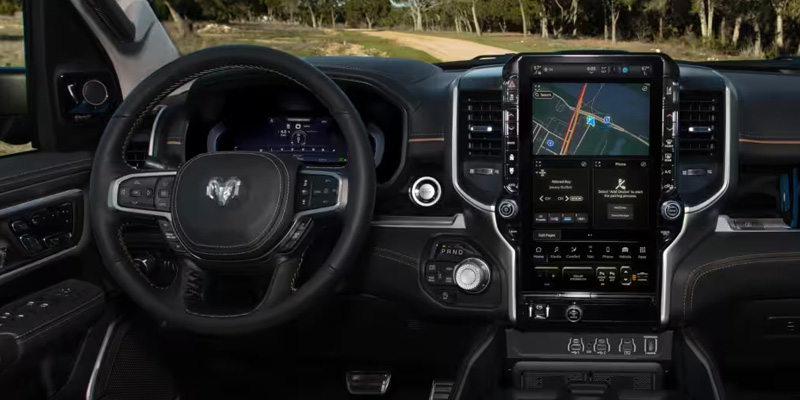
The sales team will confirm inventory, walk through available configurations, and set up a test drive. That test drive is not a formality. It is the point where the Ram 1500’s cab quality registers differently than a spec sheet suggests. It is also where the Wrangler’s body-on-frame ride character becomes something you feel firsthand. Take time, therefore, to drive more than one configuration if you are undecided. Additionally, ask about current incentive programs. These, moreover, shift monthly and are not always visible on third-party research sites.
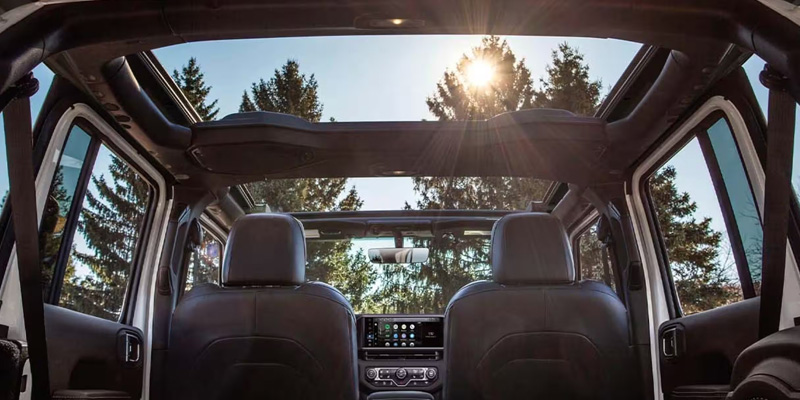
Read the rest of this entry »The Jeep Wrangler vs Gladiator comparison comes up constantly for Pearl City drivers. However, most comparisons stop at the obvious difference: one has a truck bed and one does not. The real differences, however, run deeper than that. Both models share a body-on-frame platform and a trail-ready character. Still, the Gladiator is longer, heavier, and configured as a truck. As a result, it handles differently on Oahu’s surface streets, parking structures, and winding mountain roads. This guide applies the structural differences between the two to Pearl City driving patterns. It gives buyers a clear profile match before visiting Cutter Dodge Chrysler Jeep of Pearl City.
Shared Platform, Different Purpose
Both the Wrangler and the Gladiator sit on the same body-on-frame architecture. Consequently, they share core traits that separate them from unibody crossovers. The suspension is tuned for articulation on uneven terrain. The frame handles stress from off-camber loading and trail obstacles. As a result, both models ride stiffer than a Compass or Cherokee on pavement. Road noise, additionally, is higher on both. The steering communicates more of what the tires are doing beneath the driver. For buyers coming from a crossover background, that character requires an adjustment period. Furthermore, that adjustment applies regardless of which model they choose.
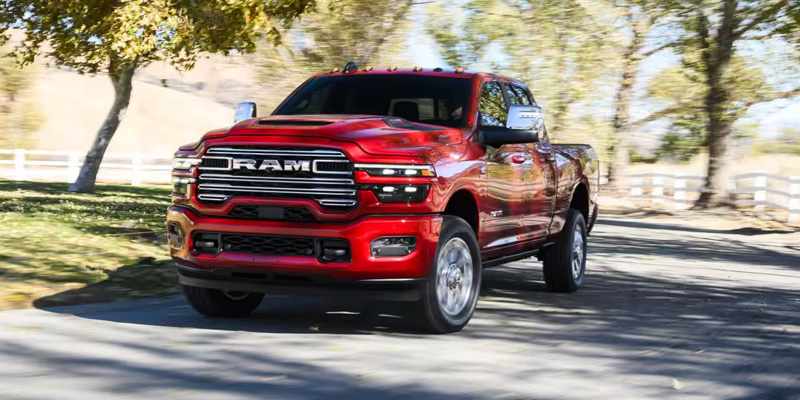
Read the rest of this entry »The Ram 2500 vs 1500 decision looks like a question about truck specs. However, it is a financial question before anything else. In Pearl City and across Oahu, those costs carry additional weight. Because Hawaii’s fuel prices and weight-based registration fees run above mainland levels, the gap widens further. Fuel, tires, registration, and maintenance all run higher on the heavy-duty side. As a result, the total cost picture looks different here than in most mainland comparisons. This guide works through the financial picture first. It then connects those costs to the load thresholds that show whether the 2500 premium is justified.
Why This Is a Cost Decision Before a Capability Decision
Most buyers start this comparison by asking what each truck can do. However, that is the wrong starting point. The more useful question is what the upgrade costs and whether the use pattern justifies it. The Ram 2500 starts at a price point several thousand dollars above a comparably equipped 1500. That gap reflects real engineering differences. The 2500 runs a heavier frame, a higher-capacity axle, and a more robust suspension. Still, those differences only pay off when the buyer’s use pattern demands them on a regular basis.
Read the rest of this entry »Jeep Grand Cherokee 4xe Ownership Guide
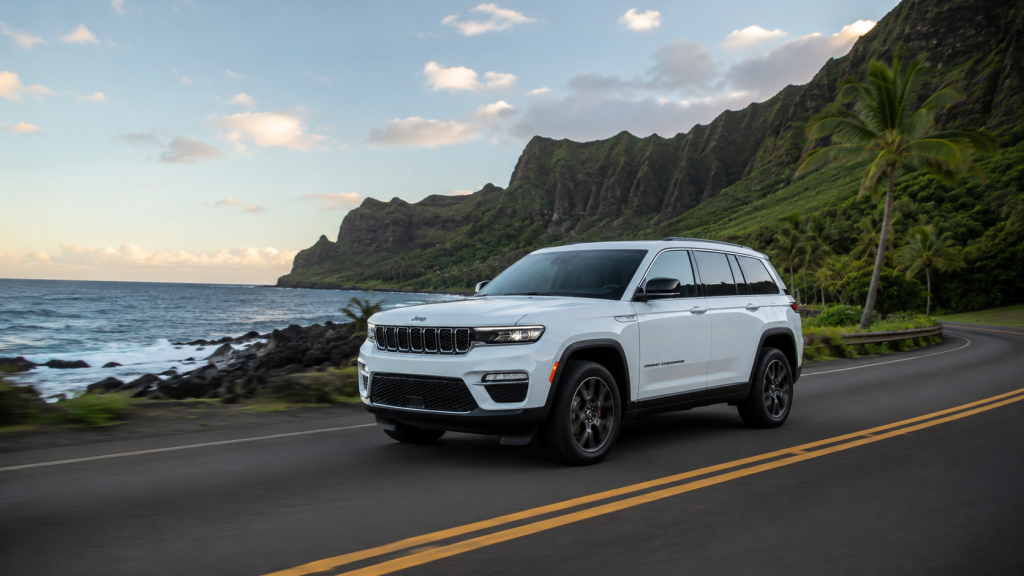
Jeep Grand Cherokee 4xe ownership introduces a different driving routine because charging habits, regenerative braking, electric commuting, and gasoline backup operation all work together throughout daily travel. Drivers researching the Jeep Grand Cherokee 4xe are usually trying to understand whether plug in hybrid ownership creates major changes to commuting, fueling, and charging routines compared with a traditional SUV. The answer starts with how the drivetrain blends electric and gasoline power together automatically while still preserving long distance travel flexibility through the gasoline engine.
Why Plug In Hybrid Driving Feels Different From a Traditional SUV
The first major difference drivers notice in the Jeep Grand Cherokee 4xe comes from electric motor response. Electric motors generate torque immediately because power transfers directly into rotational movement without requiring combustion buildup.
Torque measures rotational pulling force. Instant electric torque changes how the SUV accelerates from stoplights, parking lots, and slower traffic movement because acceleration begins immediately after throttle input.
The Jeep Grand Cherokee 4xe drivetrain combines:
• A gasoline engine
• Electric motor integration
• High voltage battery storage
• Regenerative braking support
• Automatic hybrid power management
2026 Dodge Durango Trim Comparison Guide
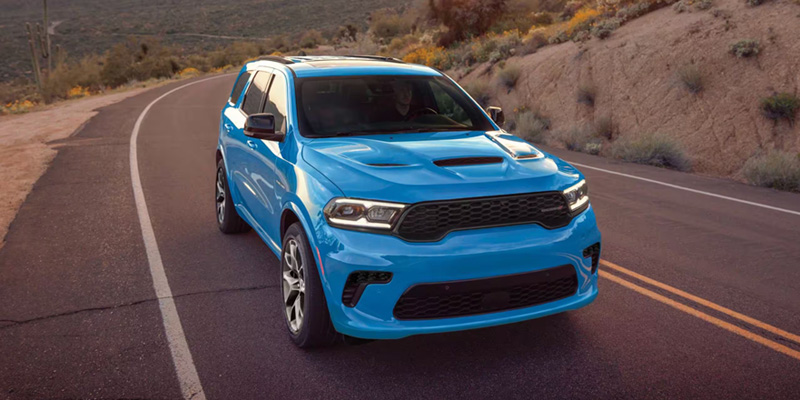
Dodge Durango trim comparison research usually starts with horsepower and towing numbers, though engine tuning, suspension calibration, AWD setup, and seating layouts shape how each trim responds during commuting, hauling, and highway driving. The 2026 Dodge Durango lineup spans from balanced V6 commuter focused trims to higher output HEMI V8 configurations built around stronger acceleration and towing force. Buyers comparing Durango trims are usually trying to understand whether the drivetrain upgrades, suspension revisions, and interior layout changes create noticeable differences during daily driving and passenger hauling. The answer begins with how Dodge calibrates each trim level mechanically.
Why Dodge Durango Trim Levels Feel Different on the Road
The Dodge Durango lineup shares the same overall SUV structure, though each trim level uses different drivetrain tuning, suspension calibration, wheel setups, and braking configurations that change how the SUV reacts during acceleration, steering, and highway movement.
A drivetrain includes the engine, transmission, driveshaft components, and differential assemblies transferring power to the wheels. Small drivetrain calibration changes alter throttle response, transmission shift timing, and traction delivery.
The Dodge Durango GT focuses heavily on balanced commuting response. Its V6 drivetrain calibration prioritizes smoother throttle transitions and steadier fuel usage during stop and go traffic. Steering effort and suspension movement are tuned toward controlled daily driving without creating aggressive chassis feedback.
Read the rest of this entry »Jeep Gladiator vs Ram 1500 Towing Comparison
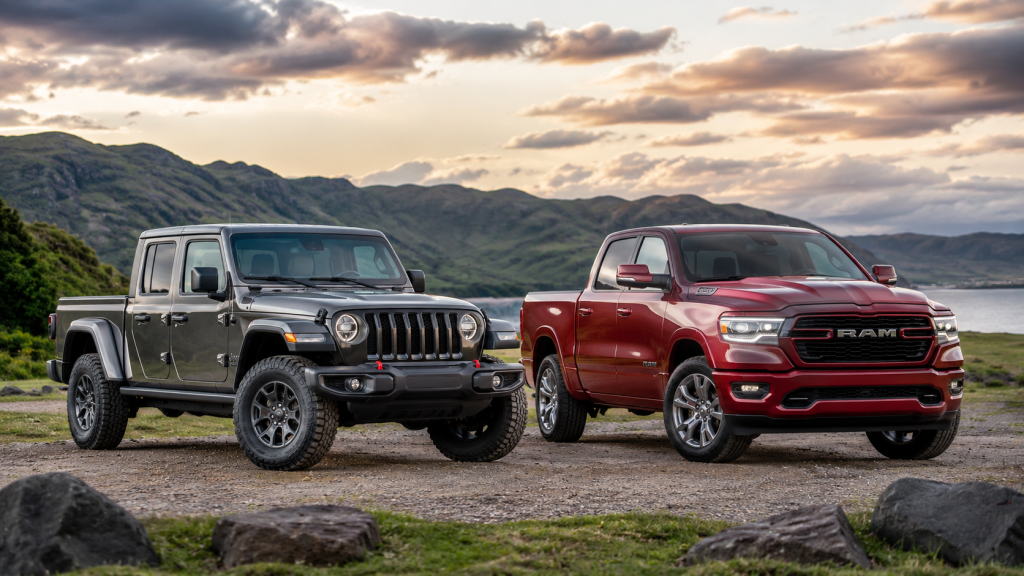
Jeep Gladiator vs Ram 1500 towing comparisons usually begin with maximum trailer ratings, though towing strength involves far more than a single number. Truck size, frame structure, suspension tuning, axle gearing, payload limits, and wheelbase length all shape how a truck manages trailer weight on highways, steep grades, and uneven pavement. Some drivers want a truck that remains maneuverable in tighter spaces while still pulling boats or campers. Others prioritize trailer stability, cargo loading strength, and higher payload support for heavier equipment. Understanding how the Jeep Gladiator and Ram 1500 approach towing from completely different truck platforms creates a much clearer picture of which model fits specific hauling priorities.
Why Midsize and Full Size Trucks Tow Differently
A midsize truck and a full size truck distribute trailer weight differently because the chassis dimensions, suspension structure, and overall mass are built around separate hauling goals. The Jeep Gladiator uses a narrower body structure and a shorter overall footprint than the Ram 1500, giving it tighter maneuverability in parking areas, trail access points, and urban driving situations. The Ram 1500 uses a larger frame structure with greater overall mass, which changes how trailer force transfers through the truck at highway speed.
The Jeep Gladiator towing structure starts with a reinforced body on frame platform paired with solid front and rear axles. Solid axles maintain wheel articulation during uneven terrain travel while also supporting trailer load distribution through the rear axle assembly. Gladiator Max Tow models increase towing support through revised axle gearing and cooling calibration, allowing the engine to maintain torque multiplication more effectively under heavier loads.
The Ram 1500 approaches towing from a different direction. Its larger chassis spreads trailer leverage across a wider footprint, reducing steering correction during highway towing. A longer full size wheelbase changes how trailer sway transfers through the truck during lane changes, crosswinds, and uneven pavement transitions.
Shoppers evaluating truck towing comparison pages should look beyond raw towing numbers and evaluate:
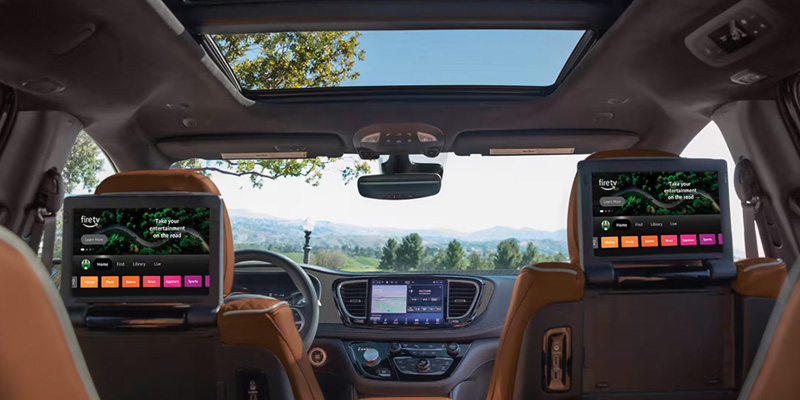
Read the rest of this entry »The Chrysler Pacifica Hybrid is designed to change how families use fuel rather than simply reduce how much fuel they use. For drivers in Hawaii, where trips are often shorter and more consistent, that shift becomes more noticeable. Many shoppers researching the Chrysler Pacifica Hybrid are trying to understand not just its efficiency ratings, but how those ratings translate into daily driving and long-term cost. The difference between a hybrid Pacifica and a standard gasoline Pacifica is not just a number on a spec sheet. It is how energy is used across different types of driving.
How MPGe and MPG Work in the Chrysler Pacifica Hybrid
Many shoppers researching the Chrysler Pacifica Hybrid ask what MPGe means and how it compares to MPG. MPGe, or miles per gallon equivalent, is a measurement that reflects how efficiently a vehicle uses electric energy compared to the energy contained in a gallon of gasoline.
The Chrysler Pacifica Hybrid MPGe rating applies when the vehicle is operating on battery power. During this phase, the electric motor is moving the vehicle without consuming gasoline. Once the battery’s available energy is reduced, the system transitions into hybrid operation, where the gasoline engine begins to contribute power. At that point, MPG becomes the relevant measurement.
This is where most confusion occurs. MPGe and MPG are not competing metrics. They describe two different operating conditions within the same vehicle.
For comparison, a standard Chrysler Pacifica uses only MPG because it relies entirely on a gasoline engine. Every mile driven requires fuel combustion, regardless of trip length or driving conditions.
The difference between these systems can be understood through how energy is used:
Read the rest of this entry »Connect with us


- July 2026
- June 2026
- May 2026
- April 2026
- May 2024
- March 2024
- February 2024
- December 2023
- November 2023
- October 2023
- September 2023
- August 2023
- July 2023
- June 2023
- May 2023
- April 2023
- March 2023
- February 2023
- January 2023
- December 2022
- November 2022
- October 2022
- September 2022
- August 2022
- July 2022
- June 2022
- May 2022
- April 2022
- March 2022
- February 2022
- January 2022