




Cutter Chrysler Jeep Dodge of Pearl City

Blog

All Blog Cutter Chrysler Jeep Dodge of Pearl City Dealer Cutter Chrysler Jeep Dodge of Pearl City Service Pearl City Jeep Dealer Pearl City CDJR Dealer Pearl City Dodge Dealer Pearl City RAM Dealer

Can You Trade In a Leased Vehicle Early in Pearl City

Can you trade in a leased vehicle early? The answer starts with your contract, current payoff, appraisal, and leasing company rules. Pearl City drivers should review each figure before selecting another vehicle. Therefore, the process begins with the company holding the lease, not the next purchase. Confirm Who Owns the Lease Who owns a leased vehicle during the contract? The leasing company owns it while you pay for its use. Therefore, you cannot transfer title without that company’s approval. Start by reading the early exit and purchase sections of your agreement. Additionally, call the leasing company and request its current rules. Some companies permit dealership purchases, while others limit who may buy the vehicle. Ask whether the dealer can receive a payoff quote directly. Furthermore, confirm whether the quote changes for you, the originating brand dealer, or another retailer. These rules shape which early trade paths remain open. A trade in leased car request differs from a simple early return. A trade uses an appraisal and payoff comparison. By contrast, an early return follows the termination terms in the contract. Before visiting a dealership, collect these items: Bring the lease agreement and the account number shown on recent statements. Request written details about purchase permission and any required dealership type. Record the payoff quote expiration date because the amount can change. These steps place the contract first. Consequently, they prevent a new vehicle discussion from hiding an unresolved lease obligation. Request the Correct Payoff Quote Is the residual amount the same as the early payoff? The residual amount reflects the projected lease end purchase figure. However, an early payoff may include other contract amounts. Remaining payments may enter the current quote. In addition, taxes, fees, or early termination charges may apply under the agreement. Therefore, do not estimate the payoff from the residual figure alone. Request a dated payoff quote from the leasing company. Then verify how long that quote remains valid. Payments, account updates, or timing can change the amount after its expiration. The payoff quote should identify the amount needed to close the lease through an approved purchase path. Additionally, ask whether the figure includes unpaid amounts or other required charges. Clear numbers make the next calculation easier. Can you trade in a leased vehicle without calling the leasing company? A dealership may assist, but the lessor still controls the official payoff. Therefore, direct verification protects you from using an outdated figure. Keep the written quote with your appraisal records. Moreover, avoid relying only on a monthly statement. The statement shows account activity, while the payoff answers a different question. Compare the Appraisal With the Payoff What happens when the appraisal exceeds the payoff? The difference may create lease equity, subject to the leasing company’s purchase rules. Therefore, subtract the payoff from the written appraisal. Suppose the appraisal equals $28,000 and the payoff equals $26,500. The difference is $1,500. That amount may enter the next transaction after the lessor approves the purchase path. A zero difference means the offer and payoff match. Consequently, no equity remains from that calculation. However, other charges may still require review. What happens when the payoff exceeds the appraisal? The remaining gap must be paid or addressed through approved financing terms. Suppose the offer equals $24,000 and the payoff equals $26,500. The shortfall is $2,500. Review three results separately: Positive equity exists when the appraisal exceeds the current payoff. An even result exists when both figures match before other charges. A shortfall exists when the payoff exceeds the appraisal. Do not judge the next agreement through its monthly payment alone. Instead, review the price, trade figure, shortfall, term, rate, and total financed amount. This review shows where every dollar entered the transaction. Review Mileage Wear and Added Charges How do mileage and wear enter an early lease trade? Both can shape the appraisal and the final lease calculation. Therefore, inspect the vehicle before requesting offers. Compare the odometer with the contract allowance. Additionally, review tires, glass, wheels, body panels, seats, keys, and included equipment. Missing items or damage may lower the appraisal. A scheduled return may also include charges for excess miles or excess wear under the contract. However, an approved purchase path can handle those items differently. The leasing company must explain which path applies. Request repair estimates only when damage could change your decision. Furthermore, avoid major spending before receiving an appraisal. A dealership may value the vehicle with the damage already included. Service records also matter. They show completed maintenance and may clarify the vehicle’s current state. Therefore, bring receipts for scheduled service, tires, brakes, and repaired damage. Can you trade in a leased vehicle with mileage above the allowance? The process may still move forward when the lessor permits it. Yet the excess miles can lower the offer or enter the closing calculation. Pearl City traffic and short trips can add wear to brakes and tires. In addition, moisture and salt air may leave marks on exposed metal. Review those areas before the inspection. Understand What Happens After the Trade When is the old lease fully closed? Closure occurs after the leasing company receives the required payoff and updates the account. Therefore, handing over the keys does not finish every administrative step. Ask the dealership for copies of the appraisal, purchase paperwork, payoff request, and delivery record. Additionally, keep your lease statements and lessor correspondence. These records support follow up if the account remains open. Continue checking the old account until it shows closure. Moreover, watch for a final statement that lists any remaining amount or credit. Contact the leasing company when the statement does not match the signed paperwork. Do not cancel automatic payments or insurance too early. Instead, confirm the required dates with the lessor, dealer, and insurer. This sequence reduces missed payments and coverage gaps. Can you trade in a leased vehicle and leave with another one the same day? The dealership visit may finish that day, while payoff processing may continue afterward. Therefore, confirm the next steps before leaving. An early lease trade becomes easier to review when each stage stays separate. Confirm permission, request the payoff, compare the appraisal, inspect wear, and verify account closure. That order gives Pearl City drivers a clear path from the old lease into the next agreement.
Buying a Truck in Hawaii: Pearl City First-Time Buyer Guide

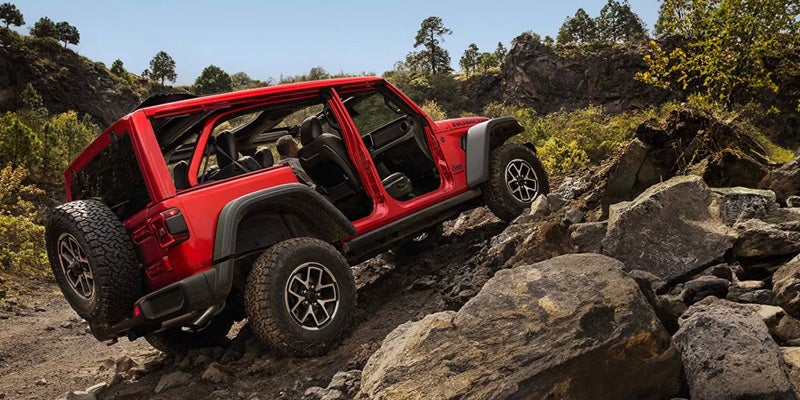
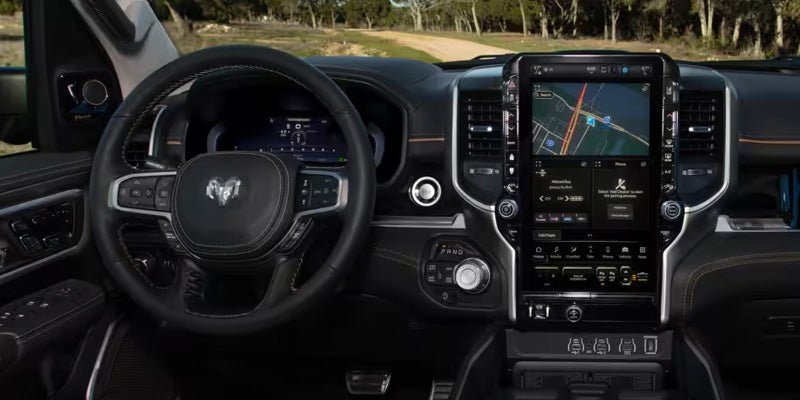
Buying a truck in Hawaii follows the same broad arc as any vehicle purchase. However, the details surrounding that arc are specific to the islands. The General Excise Tax structure differs from a mainland sales tax. Registration fees are calculated on vehicle weight. That surprises first-time truck buyers accustomed to flat-rate registration from prior sedan registration history. Furthermore, the trade-in market on Oahu runs differently from a mainland metro. Inventory at Pearl City dealerships, moreover, reflects island demand and not national trends. This guide walks through what a first-time Jeep or Ram buyer at Cutter Dodge Chrysler Jeep of Pearl City should expect at each step. What the Dealership Visit Looks Like From Arrival to Keys The dealership visit follows a predictable sequence. Knowing that sequence ahead of time removes most of the uncertainty first-time buyers feel. At Cutter in Pearl City, the process runs through the same core steps as any Stellantis dealership. However, the staff is accustomed to walking first-time buyers through each stage without pressure. The first step is identifying the vehicle. If you arrive with a model and trim in mind, the conversation moves faster. The sales team will confirm inventory, walk through available configurations, and set up a test drive. That test drive is not a formality. It is the point where the Ram 1500's cab quality registers differently than a spec sheet suggests. It is also where the Wrangler's body-on-frame ride character becomes something you feel firsthand. Take time, therefore, to drive more than one configuration if you are undecided. Additionally, ask about current incentive programs. These, moreover, shift monthly and are not always visible on third-party research sites. After the vehicle decision, the process moves to numbers. The sales team will present pricing, applicable incentives, and a trade-in figure if you have a vehicle to sell. Consequently, this is where pre-approval from your bank or credit union matters most. Having a rate in hand gives you a reference point before the finance office presents its own financing options. The numbers conversation can take thirty minutes to over an hour. Patience here protects the buyer more than speed does. Hawaii-Specific Costs That Will Appear on Your Contract First-time buyers who research vehicle costs online will find national figures that do not reflect the total in Hawaii. Several line items on a Hawaii purchase contract do not appear in mainland guides. As a result, arriving without knowing what they are makes the final figures feel larger than they should. Hawaii does not charge a traditional sales tax on vehicle purchases. Instead, it charges the General Excise Tax, or GET. GET is assessed at 4.712 percent in Honolulu County and is applied to the dealer's gross receipts. In practice, the GET line on your contract will be close to a standard sales tax figure. However, the calculation structure is distinct. Furthermore, the GET applies to the full vehicle price before incentives reduce it. Consequently, buyers cannot calculate the tax by applying the rate to their negotiated price alone. Registration fees in Hawaii are weight-based. A Ram 1500, a Ram 2500, a Wrangler, and a Grand Cherokee each carry different curb weights. As a result, the annual registration cost reflects that difference. A full-size Ram will generate a higher fee than a compact Compass. First-time truck buyers are frequently surprised by that difference. Additionally, Honolulu County charges a surcharge on top of the base registration fee. The documentation fee, which covers paperwork processing, is also standard and is not negotiable in the way that vehicle price is. Pre-Approval and What the Finance Office Does The finance office is the step that generates the most anxiety for first-time buyers. It generates that anxiety because most buyers arrive without knowing what it involves. The finance manager finalizes the loan structure, confirms the paperwork, and presents a set of protection products for the buyer to consider. The meeting takes between thirty minutes and ninety minutes. Preparation shortens that window considerably. Preparation starts before the dealership visit. A pre-approval letter from your bank or a Hawaii institution like Hawaii State Federal Credit Union gives you a baseline rate. The dealer's finance office has access to a network of lenders and can present competitive financing. However, a buyer with no pre-approval has no reference point for evaluating what is offered. Bring your driver's license, proof of insurance, and proof of income. If you are trading in a vehicle, bring the title and any loan payoff information. The products that commonly appear in the finance office include the following: An extended service contract covers mechanical repairs beyond the factory warranty period. For a Jeep or Ram in Pearl City, parts may take longer to source than on the mainland. So this product deserves honest evaluation for buyers who plan to keep the vehicle beyond the factory powertrain coverage window. GAP insurance covers the difference between what you owe on your loan and what the vehicle is worth if it is totaled or stolen. New vehicles depreciate quickly in the first year. Therefore, a buyer financing a large portion of the vehicle price may face a gap between loan balance and actual cash value. GAP is worth considering for buyers putting less than twenty percent down. Paint and interior protection packages vary widely in quality and value. In Hawaii's UV intensity and salt air climate, surface protection is not without merit. However, the dealership versions are priced at a premium. A buyer who plans to maintain the vehicle independently can achieve similar protection through regular ceramic coating at a lower cost. None of these products are required. Each can be declined individually. The most useful approach is to ask the finance manager to explain each product clearly. Ask about the cost, the coverage period, and what the product does not cover. That information gives you what you need to make a straightforward decision without time pressure. Trade-In Evaluation in Pearl City Trading in a vehicle in Pearl City requires a different set of assumptions than a mainland trade. The resale market on Oahu is contained. There are fewer buyers, fewer auction outlets, and a different demand profile than a mainland metro. Consequently, that market structure shapes what a dealership can offer for a trade. The dealer's ability to resell the vehicle quickly is limited by the same island factors that shape the buyer's side of the transaction. Vehicle condition carries more weight in Hawaii trade-in evaluations than in many mainland markets. Salt air corrosion on undercarriage components, UV-driven paint oxidation, and interior sun damage are all factors Hawaii dealers evaluate closely. Furthermore, these factors are discounted against the trade-in offer. A buyer who has maintained their vehicle attentively and addressed paint condition regularly will present a stronger trade candidate than mileage and year alone suggest. Before bringing a trade to the dealership, a detail service and a documented maintenance record are two cost-effective steps a seller can take. The timing of a trade-in relative to a new vehicle purchase also matters. Trading in at the point of purchase is convenient. However, it is not always the strongest financial move. Getting an independent appraisal through an online tool like CarMax's instant offer service gives you a benchmark. As a result, the dealer's offer is easier to evaluate. A buyer who arrives knowing their vehicle's independent value is in a stronger position than one who accepts the first figure without context. Truck vs SUV: Orienting First-Time Buyers to the Jeep and Ram Lineup First-time buyers at Cutter Pearl City arrive at the Jeep and Ram lineup without always knowing where to start. The model range spans compact SUVs through full-size trucks. Furthermore, the trim structure within each model adds another layer of choices. The team at Cutter Pearl City is familiar with pairing first-time buyers to configurations that match their actual use on Oahu. A few orientation points help narrow the field before the lot visit: First-time Jeep buyers who prioritize daily Pearl City commuting and family use should start with the Compass or Cherokee. The Wrangler's body-on-frame construction and trail-first character make it a different daily proposition than its name suggests. The Compass and Cherokee, by contrast, deliver the Jeep identity with a more approachable driving character on Oahu roads. First-time Ram buyers who are unsure whether they need a full-size truck or a capable SUV should spend time with both the Ram 1500 and the Jeep Grand Cherokee before deciding. The Ram delivers genuine truck strength in towing and hauling. However, its size in Pearl City parking and its fuel draw in stop-and-go Oahu traffic are real daily considerations. A test drive on local roads will clarify those trade-offs faster than any comparison article. Both the Jeep and Ram lineups carry factory warranty coverage that transfers without issue in Hawaii. Service is handled at Cutter's own facility in Pearl City. Additionally, Cutter handles warranty and recall work for the full Stellantis lineup without requiring a mainland visit or special arrangement. For buyers who want to work through these decisions before visiting the lot, the Cutter Pearl City team is reachable by phone and online. Arriving with a model preference, a financing baseline, and a clear picture of your trade-in value makes the dealership visit shorter and more productive. The process is, accordingly, straightforward when you know what to expect at each step. That knowledge is the most useful thing a first-time buyer in Pearl City can bring through the door.

Jeep Wrangler vs Gladiator: Which Fits Pearl City Driving

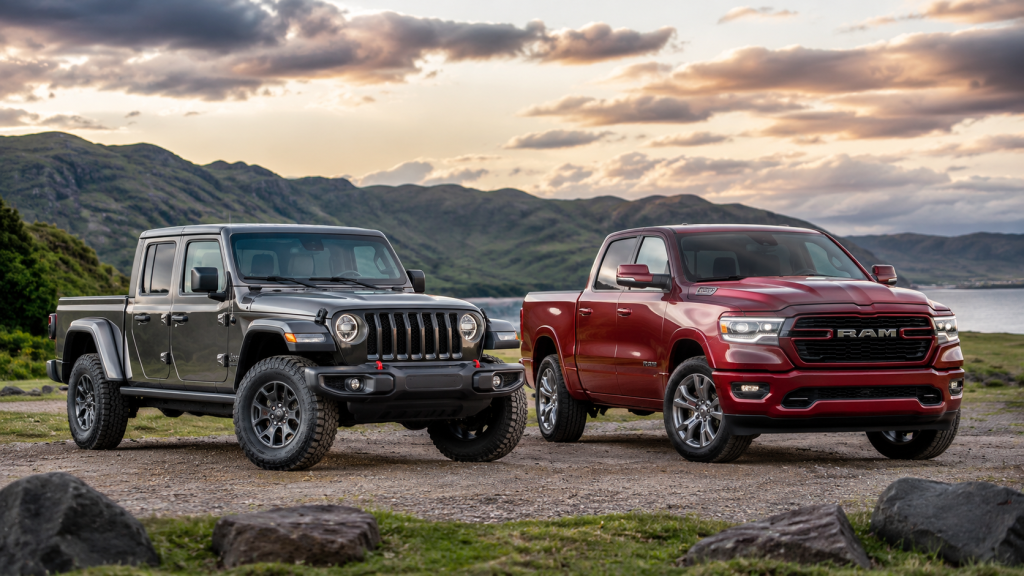
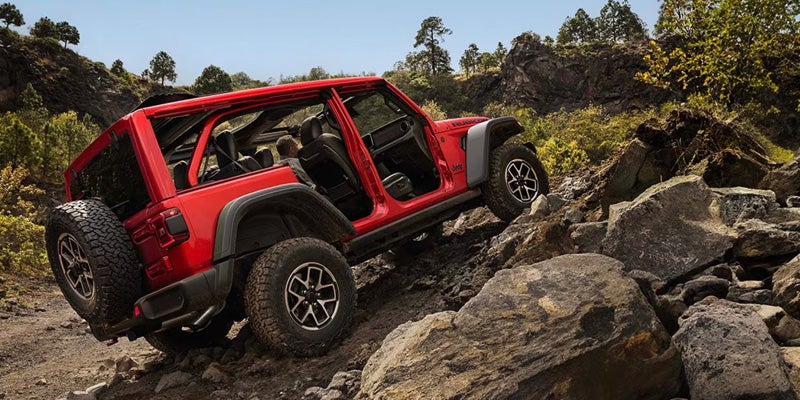
The Jeep Wrangler vs Gladiator comparison comes up constantly for Pearl City drivers. However, most comparisons stop at the obvious difference: one has a truck bed and one does not. The real differences, however, run deeper than that. Both models share a body-on-frame platform and a trail-ready character. Still, the Gladiator is longer, heavier, and configured as a truck. As a result, it handles differently on Oahu's surface streets, parking structures, and winding mountain roads. This guide applies the structural differences between the two to Pearl City driving patterns. It gives buyers a clear profile match before visiting Cutter Dodge Chrysler Jeep of Pearl City. Shared Platform, Different Purpose Both the Wrangler and the Gladiator sit on the same body-on-frame architecture. Consequently, they share core traits that separate them from unibody crossovers. The suspension is tuned for articulation on uneven terrain. The frame handles stress from off-camber loading and trail obstacles. As a result, both models ride stiffer than a Compass or Cherokee on pavement. Road noise, additionally, is higher on both. The steering communicates more of what the tires are doing beneath the driver. For buyers coming from a crossover background, that character requires an adjustment period. Furthermore, that adjustment applies regardless of which model they choose. However, the shared platform does not mean identical driving feel. The Gladiator adds significant length and weight to the same architecture. Its wheelbase stretches roughly 19 inches longer than the four-door Wrangler Unlimited. That extra length changes how the truck tracks on winding roads. The Pali Highway and H-3 corridor involve sweeping curves and tight transitions. In those situations, the Wrangler's shorter wheelbase makes direction changes feel more direct. By contrast, the Gladiator requires slightly more input through the same curves. On commute routes that cross the Koolau Range, that difference is noticeable every day. Size, Wheelbase, and What the Gladiator's Length Means on Island Roads Size is where the Gladiator separates from the Wrangler most visibly on island roads. The Gladiator runs approximately 31 inches longer overall than the four-door Wrangler Unlimited. That gap, therefore, is not marginal. On Pearl City's residential streets, the Gladiator requires more spatial awareness at every turn. In the parking structures near Pearlridge Center and in tighter commercial lots, it demands careful maneuvering. Furthermore, parallel parking and tight turnarounds on narrow island roads call for a wider turning arc than most Wrangler drivers expect. The width difference is less dramatic but still present. However, the Gladiator's truck configuration adds visual bulk that changes how it reads in tight spaces. For a buyer whose daily route involves urban Honolulu driving or school pickup in dense residential areas, the Wrangler's footprint is a genuine daily advantage. That said, the Gladiator is not unmanageable on Oahu roads at all. Drivers who make the adjustment find it workable after a short adjustment. The point is that the adjustment is real. Knowing that before the purchase is made is, therefore, worth more than discovering it afterward. Towing, Truck Bed, and Whether the Gladiator Replaces a Pickup The Gladiator's truck bed is its clearest structural advantage over the Wrangler. The standard bed measures five feet in length. That puts it in the same range as a short-bed half-ton pickup. It is, however, narrower than most full-size truck beds. For a Pearl City driver asking whether the Gladiator replaces a dedicated pickup, the answer follows from what that pickup was used for. Several Hawaii-specific hauling scenarios fall within the Gladiator's range: Landscaping materials, mulch, and rock in moderate quantities fit the Gladiator bed without difficulty. For island homeowners who run regular supply trips, the five-foot bed handles that load in a way the Wrangler's cargo area cannot approach. Surfboards, paddleboards, and longer recreational gear load flat in the Gladiator bed with the tailgate down. By contrast, the same gear requires a roof rack on the Wrangler, which adds cost and wind noise to every drive. Towing is where the Gladiator's structural advantage over the Wrangler is most significant. The Gladiator is rated for up to 7,700 pounds of towing. The Wrangler tops out around 3,500 pounds. For a Pearl City driver who tows a boat to Kaneohe Bay, that gap straightforwardly justifies the Gladiator's higher price. The Wrangler's cargo area is not without utility. Behind the rear seat, it carries gear, groceries, and equipment for most daily use. However, it cannot accept the long, flat loads that the Gladiator bed handles without modification. For buyers who need the open bed on a regular basis, the Gladiator is the right platform. For buyers who load soft bags and gear bags, the Wrangler is sufficient and more maneuverable. Off-Road Character and Where the Two Models Diverge Off-road character is where buyers expect the biggest difference and find the smallest one. Both models are available in Rubicon trim. The Rubicon package, moreover, brings locking front and rear axles, disconnecting sway bars, and 33-inch mud-terrain tires. So at matched trim levels, both models arrive at the trailhead with equivalent hardware. The difference, instead, shows up in geometry and not equipment. The Wrangler's shorter wheelbase produces better approach and departure angles on tight trail sections. In Hawaii, volcanic terrain involves abrupt elevation changes and narrow switchbacks. In those situations, a shorter vehicle clears obstacles with more margin. The Gladiator's longer wheelbase reduces those angles. Consequently, it may contact terrain in spots where a Wrangler clears cleanly. For serious technical trail use on Hawaii's tighter routes, the Wrangler holds a geometric edge. However, for most Oahu trail access and recreational off-road areas, the Gladiator handles the terrain without issue. Which Model Fits Which Pearl City Driver The clearest way to close this comparison is to match each model to the driver profile it serves most naturally. At Cutter Dodge Chrysler Jeep of Pearl City, the team is familiar with Oahu driving patterns across both models. The right answer, therefore, follows from how the vehicle will be used most days. The profiles break down as follows: The Wrangler fits a driver whose primary use is daily commuting on Oahu roads with weekend trail access. Its shorter footprint is easier to manage in Pearl City parking. Its lighter weight makes it more responsive on the Pali and H-3. Additionally, its open-air character suits the island lifestyle without requiring the added length and weight of a truck platform. The Gladiator fits a driver who needs genuine truck utility on a regular basis. Towing a boat or trailer, hauling open-bed loads, and carrying long gear items all fall within its strengths. Because it brings those capabilities without giving up trail-ready architecture, it serves buyers who want a Jeep and need a truck in the same vehicle. Either model works well with the Rubicon package for buyers who access Hawaii's off-road trails regularly. The Wrangler Rubicon holds a geometric edge on tight technical terrain. The Gladiator Rubicon handles most accessible Oahu trail routes without issue. Moreover, it adds towing and bed utility that the Wrangler cannot match. For Pearl City drivers still working through this decision, a back-to-back test drive of both models on local roads is the most useful next step. The Wrangler's footprint and the Gladiator's additional length register differently in motion than they do on paper. The team at Cutter Pearl City can, additionally, set up both drives. They can also walk through the configuration options that fit that fit the buyer's specific route, trail access, and hauling needs across Oahu.

Ram 2500 vs 1500: When Heavy Duty Makes Financial Sense

The Ram 2500 vs 1500 decision looks like a question about truck specs. However, it is a financial question before anything else. In Pearl City and across Oahu, those costs carry additional weight. Because Hawaii's fuel prices and weight-based registration fees run above mainland levels, the gap widens further. Fuel, tires, registration, and maintenance all run higher on the heavy-duty side. As a result, the total cost picture looks different here than in most mainland comparisons. This guide works through the financial picture first. It then connects those costs to the load thresholds that show whether the 2500 premium is justified. Why This Is a Cost Decision Before a Capability Decision Most buyers start this comparison by asking what each truck can do. However, that is the wrong starting point. The more useful question is what the upgrade costs and whether the use pattern justifies it. The Ram 2500 starts at a price point several thousand dollars above a comparably equipped 1500. That gap reflects real engineering differences. The 2500 runs a heavier frame, a higher-capacity axle, and a more robust suspension. Still, those differences only pay off when the buyer's use pattern demands them on a regular basis. The 1500 is not an underpowered truck. With the 5.7-liter HEMI V8 and eTorque assist, it handles trailer loads up to around 12,000 pounds. Its payload rating runs between 1,800 and 2,300 pounds by configuration. For most recreational towing and moderate work-site use, that capacity is sufficient. So the financial question becomes straightforward. Does your regular use push past those thresholds on a regular basis? If it does not, the 2500 premium goes toward truck specs that sit unused. Meanwhile, operating costs run higher every month. What the Heavier Platform Costs to Operate What the heavier platform costs to operate is the part of this comparison that mainland content ignores entirely. In Hawaii, those costs are amplified by two factors. First, fuel prices run above national averages year-round. Second, Hawaii charges weight-based registration fees that increase for heavier trucks. As a result, the financial gap between the two platforms is wider on the island than most mainland guides suggest. Fuel is the most visible ongoing cost difference. The Ram 2500 with a gas engine returns city figures in the low to mid teens in miles per gallon. By contrast, the 1500 with the same 5.7-liter HEMI returns figures several miles per gallon higher. On Oahu, fuel regularly runs above four dollars per gallon. Consequently, that efficiency gap adds up across a full year of driving. A buyer covering 15,000 miles annually pays a real fuel premium for the HD platform. Furthermore, that cost applies regardless of whether the truck ever tows a trailer. Tires are a less obvious but significant cost. The 2500 runs larger, load-rated tires that cost more per unit. Additionally, they wear on a heavier vehicle with more axle load at all times. Brakes and suspension components also see more stress on the heavier chassis under standard driving. Beyond that, Hawaii registration fees add another layer. The annual cost on a Ram 2500 runs higher than on a 1500 because the state calculates fees on vehicle weight. That difference, moreover, recurs every year the truck remains registered on the island. Towing and Payload Thresholds That Separate the Two Towing and payload are where the 2500 earns its premium. The Ram 1500 is rated for up to approximately 12,750 pounds of towing in its strongest configuration. By contrast, the Ram 2500 with the 6.7-liter Cummins diesel reaches over 20,000 pounds. However, that gap only matters when the buyer's trailer regularly approaches or exceeds the 1500 ceiling. A buyer towing a 10,000-pound boat trailer is within the 1500 range with margin to spare. In that case, the financial argument for the 2500 weakens considerably. A buyer pulling a 16,000-pound fifth-wheel, however, needs the HD platform and the premium is straightforwardly justified. Payload tells a similar story. Several variables close the gap between stated rating and usable capacity faster than most buyers expect. The following variables each consume payload before the trailer loads: A crew cab with four adults already carries 600 to 700 pounds of passenger weight. Consequently, that number comes directly out of the stated payload rating before any cargo or tongue weight is added. A loaded truck bed with tools or equipment adds further to consumed payload. As a result, a 1500 can reach its payload limit without ever approaching its stated tow rating. The Ram 2500 raises the payload ceiling by a wide margin. Furthermore, it handles sustained loads without the structural stress a 1500 accumulates when working near its limits on a regular schedule. Daily Driving Trade-Offs of the HD Platform in Hawaii Daily driving on the HD platform carries real trade-offs for Pearl City buyers who use the truck on Oahu roads every day. The 2500 is longer, wider, and heavier than the 1500. Its suspension is tuned for load-bearing, not commuter comfort. In Honolulu traffic, that character is noticeable. The steering is heavier and the turning radius is larger. Additionally, parking in tighter lots and residential areas requires more spatial awareness than most 1500 drivers are accustomed to. Fuel cost in daily driving compounds the registration gap. A buyer commuting forty miles daily in a Ram 2500 gas model spends more on fuel every week than the same driver in a 1500. Over five years, that difference accumulates into a significant total. The Cummins diesel partially offsets this through better highway efficiency. However, the diesel carries a purchase premium of several thousand dollars. Consequently, its efficiency advantage requires an honest mileage estimate to confirm whether it recovers its own cost within a realistic timeframe for an island driver. The Threshold Test: When the 2500 Premium Is Justified The clearest way to resolve this comparison is a specific threshold test. The test covers three variables: what you tow regularly, how frequently you tow it, and what your operating budget absorbs across five years. At Cutter Dodge Chrysler Jeep of Pearl City, the team works through this calculation with buyers regularly. The goal is to identify the platform that fits the load and budget. The thresholds break down as follows: If your heaviest regular trailer load stays below 10,000 to 11,000 pounds and your payload demands leave margin in the 1500 rating, the half-ton is the financially sound choice. The lower purchase price, better fuel returns, and lower registration cost add up to real savings across five years. Moreover, you give up nothing you will use. If your regular trailer load runs between 12,000 and 15,000 pounds, or if your payload demands push the 1500 ceiling on a regular basis, the 2500 becomes the defensible choice. At that load level, the HD platform's structural advantage justifies the cost premium. Beyond that, a 1500 working near its limits regularly shortens component life and raises long-term repair costs. If your loads regularly exceed 15,000 pounds, or if fifth-wheel or gooseneck applications are part of the plan, the 2500 with the Cummins diesel is the appropriate platform. In that case, the premium is straightforwardly justified. Beyond the threshold calculation, the diesel option deserves a specific look for Pearl City buyers who plan to hold the truck for five or more years. Because Hawaii's fuel costs run above mainland averages, the diesel's efficiency advantage pays off more here. A buyer covering 20,000 miles annually will recover the diesel premium faster than one covering 10,000. Therefore, the mileage estimate matters before the decision is made. The team at Cutter Pearl City can walk through that calculation with real numbers, so the financial picture is clear before any paperwork is signed.

Jeep Grand Cherokee 4xe Ownership Guide

Jeep Grand Cherokee 4xe ownership introduces a different driving routine because charging habits, regenerative braking, electric commuting, and gasoline backup operation all work together throughout daily travel. Drivers researching the Jeep Grand Cherokee 4xe are usually trying to understand whether plug in hybrid ownership creates major changes to commuting, fueling, and charging routines compared with a traditional SUV. The answer starts with how the drivetrain blends electric and gasoline power together automatically while still preserving long distance travel flexibility through the gasoline engine. Why Plug In Hybrid Driving Feels Different From a Traditional SUV The first major difference drivers notice in the Jeep Grand Cherokee 4xe comes from electric motor response. Electric motors generate torque immediately because power transfers directly into rotational movement without requiring combustion buildup. Torque measures rotational pulling force. Instant electric torque changes how the SUV accelerates from stoplights, parking lots, and slower traffic movement because acceleration begins immediately after throttle input. The Jeep Grand Cherokee 4xe drivetrain combines: • A gasoline engine • Electric motor integration • High voltage battery storage • Regenerative braking support • Automatic hybrid power management This changes driving feel in several ways: • Acceleration responds more immediately at lower speeds • Cabin vibration decreases during electric driving • Stop and go traffic movement feels smoother • Lower speed commuting becomes quieter than traditional gasoline SUVs The electric motor also assists the gasoline engine during acceleration. Instead of waiting for engine RPM to build power gradually, electric torque fills in acceleration demand immediately. That creates a smoother launch feel during urban commuting and highway merging. Drivers transitioning from traditional SUVs usually notice that the 4xe drivetrain feels more responsive at lower speeds while still preserving gasoline powered highway travel once battery charge decreases. How the Jeep Grand Cherokee 4xe Uses Electric and Gasoline Power Together Does the Jeep Grand Cherokee 4xe use gas and electricity together? Yes. The 4xe drivetrain continuously blends both power sources depending on throttle demand, battery charge level, speed, and driving conditions. A plug in hybrid drivetrain combines a combustion engine with an electric motor and rechargeable battery system. The Jeep Grand Cherokee 4xe can operate in fully electric driving mode during lighter commuting situations while still activating the gasoline engine automatically when additional power or extended range becomes necessary. The system transitions between power sources through: • Electric only driving during lighter throttle operation • Combined gasoline and electric acceleration under heavier load • Gasoline engine activation during extended highway travel • Battery charging support through regenerative braking and engine operation This automatic blending changes commuting fuel usage significantly. Shorter trips around town may rely heavily on battery power while longer highway driving gradually shifts more operation toward the gasoline engine. The Jeep Grand Cherokee 4xe also removes one of the largest concerns surrounding full battery electric vehicles. Once battery charge decreases, the gasoline engine continues powering the SUV normally. That creates a different ownership structure than a full EV because: • Charging supports fuel reduction instead of replacing travel range entirely • Gasoline backup eliminates dependence on charging station availability • Longer trips continue without waiting for battery charging • Daily commuting may consume substantially less gasoline during shorter routes Drivers researching plug in hybrid ownership are usually evaluating whether charging routines feel manageable without sacrificing travel freedom. The 4xe drivetrain addresses that concern directly through automatic hybrid operation. What Charging the Jeep 4xe Looks Like During Daily Driving How long does it take to charge the Jeep 4xe? Charging time changes depending on the charging method being used. The Jeep Grand Cherokee 4xe supports multiple charging levels: • Level 1 charging through standard household outlets • Level 2 charging through higher voltage home charging equipment • Public charging station access for faster charging support Level 2 charging becomes the most common home setup because it replenishes battery energy substantially faster than standard outlet charging. Charging routines shift ownership habits away from gasoline station visits and toward overnight charging periods while the SUV remains parked. Drivers plug the vehicle in during evening hours and begin the next morning with battery charge already replenished. The transition becomes easier once drivers stop viewing charging as a separate fueling event and instead connect charging to normal parking habits. Charging patterns also depend heavily on commuting distance: • Shorter commutes allow more electric driving operation • Longer highway driving increases gasoline engine usage • Frequent stop and go traffic increases regenerative braking energy recovery • Overnight parking supports steady battery replenishment Drivers in Hawaii also evaluate charging access differently because commuting loops tend to remain shorter than many mainland driving patterns. The Jeep Grand Cherokee 4xe structure fits these shorter travel loops effectively because electric driving operation supports lower speed urban and suburban commuting particularly well. How Regenerative Braking and Electric Torque Change Commuting Does regenerative braking charge the battery? Yes. Regenerative braking converts vehicle movement back into electrical energy during deceleration. Traditional gasoline vehicles lose braking energy through heat generated at the brake rotors and pads. The Jeep Grand Cherokee 4xe electric motor can reverse operation during deceleration and function as a generator instead. Instead of wasting vehicle momentum as heat, regenerative braking redirects some of that rotational energy back into the battery pack. This changes commuting response through: • Earlier deceleration after lifting off the accelerator • Reduced friction brake usage during traffic movement • Battery energy recovery during downhill travel • More efficient stop and go commuting operation The regenerative braking system becomes more noticeable during: • Urban traffic • Parking approach speeds • Gradual deceleration • Descending roads • Stoplight traffic patterns Electric torque delivery also changes acceleration feel. Gasoline engines gradually build power as RPM increases while electric motors deliver torque instantly. The Jeep Grand Cherokee 4xe combines both systems together: • Electric torque improves low speed acceleration response • Gasoline power supports sustained highway operation • Hybrid blending smooths acceleration transitions • Regenerative braking recovers energy during deceleration These systems work together continuously during commuting without requiring constant driver input or manual power management decisions. Which Drivers Fit Plug In Hybrid Ownership Most Effectively The Jeep Grand Cherokee 4xe fits drivers whose commuting patterns include shorter daily driving loops, overnight parking access, and occasional longer distance travel requiring gasoline support. Drivers commuting moderate distances daily may rely heavily on electric operation during routine driving while still maintaining unrestricted highway range through the gasoline engine. That combination changes ownership flexibility compared with full EV platforms. The Jeep Grand Cherokee 4xe ownership structure fits particularly well for drivers prioritizing: • Electric commuting support • Reduced gasoline usage during shorter trips • Gasoline backup during longer travel • SUV passenger and cargo flexibility • Charging access at home or work The 4xe also continues operating normally even if charging is skipped temporarily. Once battery charge decreases, the gasoline engine maintains standard vehicle operation automatically. That distinction matters because many drivers researching electrified vehicles remain uncertain about: • Charging access • battery range limitations • longer trip planning • ownership transition difficulty The Jeep Grand Cherokee 4xe bridges those concerns by combining electric commuting support with conventional gasoline travel flexibility inside the same SUV platform.

2026 Dodge Durango Trim Comparison Guide

Dodge Durango trim comparison research usually starts with horsepower and towing numbers, though engine tuning, suspension calibration, AWD setup, and seating layouts shape how each trim responds during commuting, hauling, and highway driving. The 2026 Dodge Durango lineup spans from balanced V6 commuter focused trims to higher output HEMI V8 configurations built around stronger acceleration and towing force. Buyers comparing Durango trims are usually trying to understand whether the drivetrain upgrades, suspension revisions, and interior layout changes create noticeable differences during daily driving and passenger hauling. The answer begins with how Dodge calibrates each trim level mechanically. Why Dodge Durango Trim Levels Feel Different on the Road The Dodge Durango lineup shares the same overall SUV structure, though each trim level uses different drivetrain tuning, suspension calibration, wheel setups, and braking configurations that change how the SUV reacts during acceleration, steering, and highway movement. A drivetrain includes the engine, transmission, driveshaft components, and differential assemblies transferring power to the wheels. Small drivetrain calibration changes alter throttle response, transmission shift timing, and traction delivery. The Dodge Durango GT focuses heavily on balanced commuting response. Its V6 drivetrain calibration prioritizes smoother throttle transitions and steadier fuel usage during stop and go traffic. Steering effort and suspension movement are tuned toward controlled daily driving without creating aggressive chassis feedback. The Dodge Durango R/T changes that formula through HEMI V8 torque delivery and revised suspension tuning. The additional engine torque shifts vehicle balance differently during acceleration because rear axle loading increases more aggressively under throttle. These trim differences become noticeable through: • Steering weight during acceleration • Transmission shift timing under load • Suspension firmness during cornering • Brake pedal response during heavier speeds The Dodge Durango SRT configuration amplifies those differences further through upgraded braking hardware, firmer suspension calibration, and higher output engine tuning. Higher speed stability changes because body movement remains tighter during aggressive acceleration and lane transitions. Trim comparison pages that only list horsepower numbers fail to explain how differently these SUVs respond once weight transfer and drivetrain calibration enter the equation. How V6 and HEMI Engines Change Acceleration and Towing What engine comes in the Dodge Durango GT? The GT uses the Pentastar V6 engine, while higher Durango trims move into HEMI V8 configurations. Horsepower and torque work together differently during SUV acceleration. Horsepower measures how quickly work is completed over time. Torque measures rotational pulling force. Larger SUVs respond heavily to torque because more vehicle mass requires stronger rotational force during acceleration and towing. The Pentastar V6 setup balances smoother commuting operation with moderate towing support. During lighter throttle operation, the engine maintains more gradual acceleration buildup and calmer transmission response. The HEMI V8 changes acceleration characteristics substantially: • Lower RPM torque arrives earlier during throttle input • Highway merging requires less transmission downshifting • Trailer acceleration feels stronger under heavier load • Passenger and cargo weight impact acceleration less aggressively Towing response also changes because V8 torque output reduces drivetrain strain during uphill hauling and trailer acceleration. The Dodge Durango Tow N Go configuration further modifies towing preparation through upgraded cooling calibration, revised suspension tuning, and braking reinforcement. Engine displacement also changes airflow and combustion force. Larger displacement V8 engines move more air and fuel through each combustion cycle, increasing torque output without requiring extremely high engine RPM. Drivers comparing Durango trims should evaluate: • Trailer weight expectations • Passenger load frequency • Highway commuting distance • Acceleration preference • Fuel usage priorities The V6 setup fits drivers prioritizing smoother daily commuting and lighter towing support. HEMI trims prioritize stronger acceleration and heavier trailer hauling response. What AWD Calibration and Suspension Tuning Change Across Trims Does the Dodge Durango SRT have all wheel drive? Yes, though AWD calibration changes substantially across Durango trims. An AWD system distributes engine torque between the front and rear axles based on traction demand, throttle input, and wheel speed monitoring. Different AWD calibrations change how aggressively torque transfers during acceleration and cornering. The Dodge Durango GT AWD setup prioritizes traction consistency during wet pavement and changing road surfaces. Torque transfer remains smoother and less aggressive during commuting. The Dodge Durango R/T and SRT setups calibrate AWD response differently: • Rear axle torque bias increases during acceleration • Suspension compression remains tighter during cornering • Steering response sharpens under throttle • Brake cooling and chassis stability increase at higher speeds Suspension tuning also changes how the SUV handles body movement. Softer suspension calibration absorbs pavement movement more gradually while firmer suspension tuning limits body roll during acceleration and lane changes. The Dodge Durango Tow N Go setup introduces additional suspension and braking revisions focused on towing control: • Rear suspension squat decreases during trailer loading • Brake heat management increases under heavier towing • Steering stability improves during trailer sway correction • Chassis movement settles faster during highway transitions These differences matter because larger SUVs transfer significant weight during acceleration, braking, and trailer towing. Suspension geometry controls how effectively the chassis stabilizes those weight shifts. How Interior Layout and Seating Configurations Vary by Trim Which Dodge Durango trim has captain’s chairs? Seating layouts vary depending on trim level and package configuration. Interior configuration changes passenger movement, cargo accessibility, and third row spacing. Second row captain’s chairs separate passenger seating into individual positions while creating a center aisle toward the third row. Bench seating increases passenger capacity though rear access becomes more restricted. The Dodge Durango Citadel trim places heavier emphasis on passenger comfort and seating upgrades. Seating materials, interior trim surfaces, and second row spacing create a more passenger focused cabin structure. Interior differences across trims include: • Captain’s chair availability • Cargo floor organization • Seating material upgrades • Driver display and infotainment layouts • Rear passenger access spacing Cargo floor geometry also changes storage organization. Flatter cargo floors create easier equipment stacking while raised floor sections reduce usable loading depth. The Durango lower roofline compared with taller crossover SUVs changes passenger posture and cabin feel as well. Drivers evaluating seating layouts should focus on: • Third row access frequency • Passenger count requirements • Cargo loading priorities • Rear seat movement flexibility Interior trim comparison becomes more useful when connected to passenger movement and cargo organization instead of feature lists alone. Which Dodge Durango Trim Fits Different Driving Priorities The Dodge Durango lineup separates into several distinct mechanical personalities despite sharing the same SUV platform. The Dodge Durango GT fits drivers prioritizing balanced commuting, smoother drivetrain response, and moderate towing support. Its V6 setup creates steadier daily driving calibration without aggressive suspension stiffness. The Dodge Durango R/T focuses heavily on stronger acceleration and towing force through HEMI V8 torque delivery. Drivers carrying heavier passenger loads or towing trailers more regularly may prefer how the V8 handles weight transfer under acceleration. The Dodge Durango Citadel emphasizes passenger oriented seating upgrades and interior refinement while maintaining three row SUV functionality. The Dodge Durango SRT pushes the platform furthest toward higher output SUV acceleration through upgraded brakes, suspension tuning, and drivetrain calibration. Different Durango trims fit different priorities: • GT prioritizes commuting balance and lighter towing • R/T emphasizes V8 acceleration and towing force • Citadel focuses more heavily on passenger comfort • SRT prioritizes maximum acceleration and chassis response Choosing between Dodge Durango trims requires evaluating how drivetrain calibration, suspension tuning, towing expectations, and seating configuration interact during actual driving situations. The largest difference between trims is not appearance or feature count alone. The biggest difference comes from how each configuration distributes power, stabilizes weight transfer, and responds under passenger and trailer load.

Jeep Gladiator vs Ram 1500 Towing Comparison

Jeep Gladiator vs Ram 1500 towing comparisons usually begin with maximum trailer ratings, though towing strength involves far more than a single number. Truck size, frame structure, suspension tuning, axle gearing, payload limits, and wheelbase length all shape how a truck manages trailer weight on highways, steep grades, and uneven pavement. Some drivers want a truck that remains maneuverable in tighter spaces while still pulling boats or campers. Others prioritize trailer stability, cargo loading strength, and higher payload support for heavier equipment. Understanding how the Jeep Gladiator and Ram 1500 approach towing from completely different truck platforms creates a much clearer picture of which model fits specific hauling priorities. Why Midsize and Full Size Trucks Tow Differently A midsize truck and a full size truck distribute trailer weight differently because the chassis dimensions, suspension structure, and overall mass are built around separate hauling goals. The Jeep Gladiator uses a narrower body structure and a shorter overall footprint than the Ram 1500, giving it tighter maneuverability in parking areas, trail access points, and urban driving situations. The Ram 1500 uses a larger frame structure with greater overall mass, which changes how trailer force transfers through the truck at highway speed. The Jeep Gladiator towing structure starts with a reinforced body on frame platform paired with solid front and rear axles. Solid axles maintain wheel articulation during uneven terrain travel while also supporting trailer load distribution through the rear axle assembly. Gladiator Max Tow models increase towing support through revised axle gearing and cooling calibration, allowing the engine to maintain torque multiplication more effectively under heavier loads. The Ram 1500 approaches towing from a different direction. Its larger chassis spreads trailer leverage across a wider footprint, reducing steering correction during highway towing. A longer full size wheelbase changes how trailer sway transfers through the truck during lane changes, crosswinds, and uneven pavement transitions. Shoppers evaluating truck towing comparison pages should look beyond raw towing numbers and evaluate: • Wheelbase length • Rear suspension load control • Axle gearing • Trailer brake calibration • Frame size and overall truck mass These factors shape how stable a trailer feels once weight begins shifting across the truck during acceleration, braking, and steering corrections. How Payload Capacity Changes Truck Utility Payload capacity measures how much total weight a truck can carry inside the cabin and bed before reaching its maximum load threshold. Payload includes passengers, cargo, trailer tongue weight, tools, hitch hardware, and aftermarket accessories. This is where truck towing calculations become far more technical than most comparison pages explain. A trailer transfers part of its weight directly onto the truck through tongue weight. If a camper weighs 6,000 pounds, tongue weight may add roughly 600 pounds directly onto the rear suspension. That load immediately reduces remaining payload capacity. The Ram 1500 payload structure supports larger hauling workloads because its rear suspension and frame dimensions are built around heavier cargo transfer. A wider chassis and larger rear axle structure distribute weight more gradually during bed loading and trailer hookup. This changes how the truck settles under load and how braking force remains balanced across all four wheels. The Jeep Gladiator payload structure remains highly functional for midsize truck hauling, though its smaller dimensions create different loading priorities. Cargo placement becomes far more important inside the Gladiator bed because weight concentration changes steering feel and rear suspension compression more quickly. Truck payload discussions should include: • Passenger weight calculations • Trailer tongue weight • Hitch equipment weight • Bed cargo positioning • Suspension compression under load Ignoring payload math creates one of the most common towing mistakes among truck buyers. A truck may technically tow a trailer while still exceeding payload limits once passengers and cargo are added. What Wheelbase Length and Suspension Tuning Change During Towing Wheelbase length changes how trailer movement transfers into the truck during highway driving. A longer wheelbase spreads trailer leverage across a larger footprint, reducing how aggressively the trailer can pivot the rear of the truck during crosswinds or steering corrections. The Ram 1500 wheelbase structure gives the truck a calmer towing posture during higher speed hauling. Trailer sway movement transfers more gradually through the frame, reducing sudden steering input corrections. Its rear suspension tuning also reduces rear squat under heavier tongue weight, helping maintain more balanced front tire contact during braking and cornering. The Jeep Gladiator uses a longer wheelbase than the Wrangler platform it originates from, which creates far more towing stability than many drivers expect. Extending the chassis behind the cab changes how the truck distributes trailer leverage while still preserving the maneuverability advantages of a midsize truck. Suspension tuning also shapes towing response: • Softer suspension tuning absorbs road harshness more gradually • Firmer rear calibration limits excessive rear compression • Axle gearing changes torque delivery during uphill towing • Tire sidewall stiffness changes trailer sway feedback These details matter once trailer weight begins shifting dynamically across the chassis. Steering feel, braking stability, and lane correction response all change depending on how suspension geometry manages trailer leverage. How Truck Bed Size and Cargo Positioning Affect Hauling Truck bed utility involves more than total bed length. Cargo position changes how weight transfers through the frame, suspension, and steering system. Improper cargo loading increases rear suspension compression while unloading weight from the front axle, reducing steering precision and braking balance. The Ram 1500 bed structure supports larger equipment loading because its wider cargo dimensions create more flexibility for palletized materials, generators, toolboxes, and longer construction items. Its larger bed volume also spreads weight more evenly across the chassis. The Jeep Gladiator bed design focuses on multifunction truck utility while preserving maneuverability and trail access proportions. The bed dimensions support motorcycles, camping gear, outdoor equipment, and moderate trailer support while keeping the truck narrower and easier to navigate through tighter spaces. Cargo loading strategy matters heavily in both trucks: • Heavier cargo should remain low and close to the cab • Uneven side loading changes steering balance • Rear concentrated weight increases suspension squat • Higher cargo placement raises center of gravity Truck bed discussions that stop at dimensions fail to explain how hauling balance changes once weight begins moving through the suspension structure. Which Truck Fits Different Towing and Payload Priorities The Jeep Gladiator and Ram 1500 serve different towing priorities despite overlapping truck utility roles. The Gladiator balances midsize maneuverability, trail capable chassis engineering, and moderate towing support into a platform that remains highly adaptable across mixed driving situations. Drivers towing smaller campers, boats, utility trailers, or outdoor equipment may appreciate how the Gladiator preserves tighter movement without sacrificing truck utility. The Ram 1500 prioritizes larger scale towing support through greater frame mass, wider chassis dimensions, increased payload strength, and calmer highway trailer response. Drivers hauling heavier trailers or carrying larger equipment loads may prefer how the Ram distributes trailer force more gradually during extended towing travel. Choosing between the Jeep Gladiator and Ram 1500 involves evaluating: • Trailer size • Cargo weight • Passenger load • Parking and maneuverability priorities • Highway towing frequency • Bed loading requirements The strongest truck choice is rarely the truck with the highest number alone. The better evaluation comes from understanding how truck structure, suspension tuning, payload support, and wheelbase design shape towing response once real weight enters the equation.

Chrysler Pacifica Hybrid Efficiency and Daily Driving Costs in Hawaii

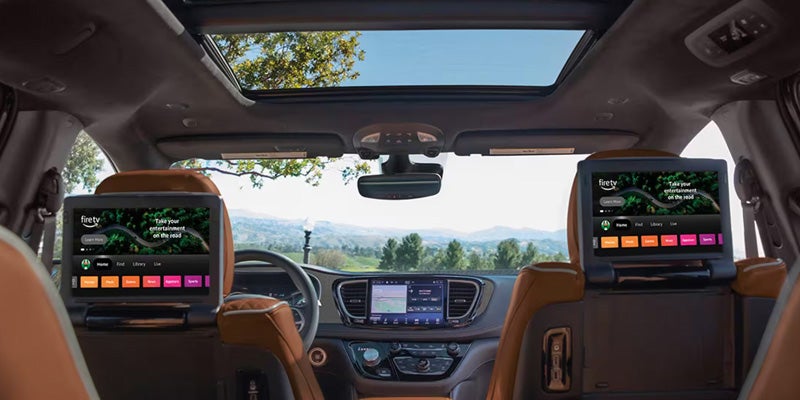
The Chrysler Pacifica Hybrid is designed to change how families use fuel rather than simply reduce how much fuel they use. For drivers in Hawaii, where trips are often shorter and more consistent, that shift becomes more noticeable. Many shoppers researching the Chrysler Pacifica Hybrid are trying to understand not just its efficiency ratings, but how those ratings translate into daily driving and long-term cost. The difference between a hybrid Pacifica and a standard gasoline Pacifica is not just a number on a spec sheet. It is how energy is used across different types of driving. How MPGe and MPG Work in the Chrysler Pacifica Hybrid Many shoppers researching the Chrysler Pacifica Hybrid ask what MPGe means and how it compares to MPG. MPGe, or miles per gallon equivalent, is a measurement that reflects how efficiently a vehicle uses electric energy compared to the energy contained in a gallon of gasoline. The Chrysler Pacifica Hybrid MPGe rating applies when the vehicle is operating on battery power. During this phase, the electric motor is moving the vehicle without consuming gasoline. Once the battery’s available energy is reduced, the system transitions into hybrid operation, where the gasoline engine begins to contribute power. At that point, MPG becomes the relevant measurement. This is where most confusion occurs. MPGe and MPG are not competing metrics. They describe two different operating conditions within the same vehicle. For comparison, a standard Chrysler Pacifica uses only MPG because it relies entirely on a gasoline engine. Every mile driven requires fuel combustion, regardless of trip length or driving conditions. The difference between these systems can be understood through how energy is used: the Chrysler Pacifica Hybrid can complete shorter trips using only electric power the gasoline Pacifica consumes fuel continuously for all driving MPGe reflects efficiency during electric operation MPG reflects efficiency when gasoline is being used For families deciding between hybrid and gas models, this is a critical distinction. The hybrid only reduces fuel usage when electric driving is actively used. Without that usage, the difference between the two vehicles becomes much smaller. How the Chrysler Pacifica Hybrid System Actually Operates Many buyers want to understand how the Chrysler Pacifica Hybrid switches between electric and gasoline power. A plug-in hybrid system is a drivetrain that combines an electric motor powered by a battery with a gasoline engine, allowing the vehicle to operate using one or both power sources. The Chrysler Pacifica Hybrid battery system stores electrical energy that powers the electric motor. During low-speed or lower-demand driving, the vehicle operates in electric mode. As power demand increases or battery charge decreases, the gasoline engine activates and works alongside the electric motor. This transition is managed automatically. The system continuously evaluates driving conditions, throttle input, and battery charge to determine how energy should be used. This creates a layered energy system: electric power is used for lower-load driving situations gasoline power is introduced when additional output is required both systems can work together to maintain performance regenerative braking captures some energy and returns it to the battery Compared to a gasoline Pacifica, which depends entirely on fuel combustion, the hybrid introduces a second energy pathway. This is what allows it to reduce fuel usage, but only when driving conditions allow the electric system to operate effectively. How Electric Range Translates to Daily Driving in Hawaii Many shoppers ask how far the Chrysler Pacifica Hybrid can travel without using gasoline. Electric range is the distance the vehicle can travel using only battery power before the gasoline engine becomes necessary. The Chrysler Pacifica Hybrid electric range is designed to cover a large portion of typical daily driving. In Hawaii, where commutes and errands are often shorter, this becomes especially relevant. What matters most is how electric range compares to daily mileage. If most trips fall within that range, the vehicle will operate primarily on battery power. If trips regularly exceed that range, the gasoline engine will engage more frequently. This creates two distinct usage patterns: drivers with shorter daily routes rely heavily on electric driving drivers with longer or continuous driving rely more on hybrid operation A gasoline Pacifica does not change behavior based on distance. Every trip uses fuel in the same way, regardless of length. For buyers, the key question is not just how far the vehicle can go on electric power, but how often that range aligns with real daily driving. How Charging Fits Into Everyday Use Many buyers considering the Chrysler Pacifica Hybrid want to know whether charging is inconvenient. Charging is the process of restoring battery energy using an external power source. The Chrysler Pacifica Hybrid can be charged using a standard household outlet or a higher-output charging system. Charging time varies depending on the power source, but in most cases, charging is integrated into overnight parking. This means the vehicle is typically charged while not in use, allowing it to begin each day with available electric range. In real-world use: charging becomes part of a daily routine rather than a separate task the vehicle is ready for electric driving at the start of each day no additional stops are required if charging is done at home If charging is consistent, the hybrid system can operate as intended and reduce fuel usage significantly. If charging is infrequent, the vehicle will function more like a traditional hybrid and rely more heavily on gasoline. A gasoline Pacifica does not require charging, which simplifies operation but removes the ability to reduce fuel consumption through electric driving. When the Chrysler Pacifica Hybrid Actually Saves Money Compared to Gas Many families comparing options want to know whether the Chrysler Pacifica Hybrid is worth it compared to a gasoline Pacifica. The answer depends on how often the hybrid system replaces gasoline usage. Is the Chrysler Pacifica Hybrid worth it compared to a gas model? The Chrysler Pacifica Hybrid is worth it when daily driving allows the vehicle to operate frequently on electric power and when charging is part of the routine. If most trips fall within electric range and the battery is consistently recharged, gasoline use can be significantly reduced. If driving regularly exceeds electric range or charging is inconsistent, the difference in fuel savings becomes smaller. Cost savings are driven by how energy is used: frequent electric driving reduces gasoline consumption consistent charging maximizes efficiency benefits shorter trips increase the percentage of electric use longer trips reduce the impact of electric driving For comparison, a gasoline Pacifica provides predictable fuel usage regardless of driving pattern. It does not depend on charging behavior, but it also does not offer the opportunity to offset fuel consumption with electricity. The decision between hybrid and gasoline models comes down to how closely the hybrid system aligns with daily driving habits. When electric range, charging behavior, and driving patterns align, the Chrysler Pacifica Hybrid provides measurable efficiency and cost advantages. When they do not, the gasoline Pacifica remains the more straightforward choice.

Ram ProMaster Cargo Configurations for Small Business Owners in Pearl City

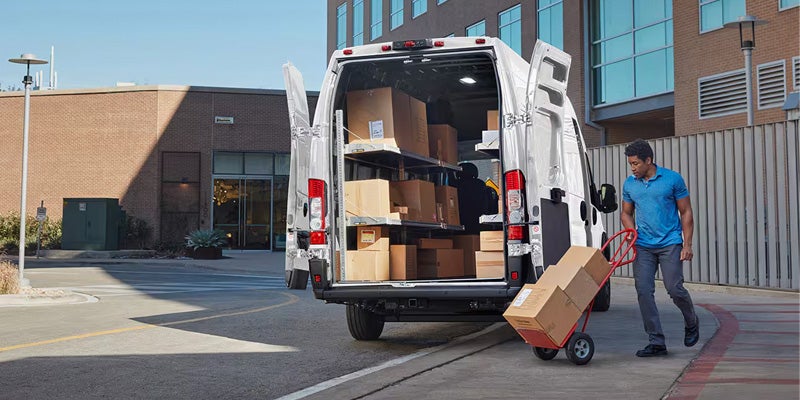
The Ram ProMaster is designed around one core idea: a cargo van should function as a workspace, not just a vehicle. For small business owners in Pearl City, that distinction matters because the way a van is configured directly affects how efficiently work gets done. Many buyers researching ProMaster configurations are not just comparing dimensions. They are trying to understand how cargo space, payload capacity, and vehicle size translate into daily workflow. The difference between ProMaster configurations is not simply length or height. It is how those dimensions shape usable space, load capacity, and maneuverability in real working conditions. How Ram ProMaster Configurations Are Structured Many business owners ask what the difference is between Ram ProMaster configurations and how to choose the right one. The answer starts with understanding that the 2026 Ram ProMaster is built using a combination of wheelbase length, roof height, and payload rating. The 2026 Ram ProMaster wheelbase determines the length of the cargo floor and the amount of uninterrupted storage space available inside the van. A longer wheelbase increases total cargo volume but also increases the vehicle’s overall footprint. The 2026 Ram ProMaster roof height determines vertical working space. A higher roof allows most users to stand upright inside the cargo area, which changes how the van can be used as a mobile workspace. Payload rating defines how much weight the van can safely carry. This includes tools, equipment, inventory, and any installed shelving or upfit systems. These three elements are not independent. They work together to define how the van functions. A larger cargo area increases volume, but if the payload requirement is higher, the configuration must also support additional weight through its structure and suspension. For small business owners, the goal is not to choose the largest configuration available. It is to choose the configuration that matches how space and weight are used during daily operations. How Wheelbase and Roof Height Create Usable Cargo Space Many buyers researching the 2026 Ram ProMaster cargo space ask how much room they actually need. Cargo space is not just a measurement of volume. It is the result of how wheelbase length and roof height combine to create usable working area. The 2026 Ram ProMaster wheelbase controls how much linear space is available for storage and movement. A longer wheelbase allows for longer items, more shelving systems, and more organized layouts. It also creates more separation between tools, materials, and work zones. The 2026 Ram ProMaster high roof configuration changes how that space can be used vertically. With additional height, the cargo area becomes accessible for standing, stacking, and vertical storage solutions. This interaction between length and height creates different types of work environments: shorter wheelbase configurations are easier to maneuver but limit layout flexibility longer wheelbase configurations allow more organized storage and workflow zones standard roof configurations prioritize simplicity but limit vertical usability high roof configurations allow standing workspace and vertical storage systems For businesses that rely on organized tools, shelving, or frequent access inside the van, roof height often has as much impact as length. For businesses focused on transporting materials without entering the cargo area frequently, wheelbase length becomes the more important factor. How Payload Capacity Changes What the Van Can Carry Many business owners ask how payload capacity affects their choice of a 2026 Ram ProMaster configuration. Payload is the maximum amount of weight the van can carry, including all cargo, equipment, and installed upfits. The 2026 Ram ProMaster payload capacity is directly tied to how the van is built to support weight. As payload increases, the suspension, frame, and axle components must handle more stress from both static load and movement. This creates a tradeoff between space and weight. A van with large cargo volume may still be limited if the weight of the load exceeds its payload capacity. At the same time, a higher payload configuration may be necessary even if the physical space required is smaller. For small business owners, this means evaluating both dimensions and load requirements together. Key considerations include: total weight of tools, equipment, or inventory additional weight from shelving or interior upfits how often the van operates near maximum load whether loads are consistent or vary day to day Understanding payload prevents one of the most common mistakes in cargo van selection, which is choosing a configuration based on size alone without accounting for weight. How Vehicle Size Affects Maneuverability and Daily Use Many buyers considering larger cargo vans ask whether a bigger 2026 Ram ProMaster will be harder to drive. Vehicle size directly affects maneuverability, which includes turning radius, parking ease, and navigation through tighter streets. A longer wheelbase increases cargo capacity but also increases the amount of space required to turn and park. In areas like Pearl City, where streets, parking lots, and job sites can vary in size, this becomes a daily consideration. The 2026 Ram ProMaster is designed with a front-wheel-drive layout, which helps maintain a tighter turning radius compared to rear-wheel-drive cargo vans of similar size. However, overall length still plays a major role in how easily the vehicle can be positioned. This creates a balance between capacity and usability: larger configurations provide more workspace and storage smaller configurations improve maneuverability and parking flexibility longer vans may require more planning in tight work environments shorter vans allow quicker access in urban or residential areas For business owners making frequent stops or working in tighter spaces, maneuverability may be just as important as cargo capacity. Choosing the Right Ram ProMaster Configuration for Your Business Many small business owners ultimately want to know which 2026 Ram ProMaster configuration is the right choice. The answer depends on how the van will be used throughout the workday. Which Ram ProMaster configuration is best for small business owners in Pearl City? The best 2026 Ram ProMaster configuration depends on how your business uses space, weight, and mobility. Smaller wheelbase models work well for businesses making frequent stops in tighter areas, while longer wheelbase and high roof configurations are better suited for organized storage, shelving systems, and working inside the van. Higher payload configurations are necessary when carrying heavier equipment or inventory on a consistent basis. For practical decision-making, most businesses fall into a few categories: service-based businesses that require organized tools and interior workspace benefit from longer wheelbase and high roof configurations delivery-focused businesses that prioritize efficiency and maneuverability benefit from shorter configurations with easier access contractors carrying heavier equipment need higher payload configurations regardless of cargo volume businesses with mobile workstations benefit from standing height and structured interior layouts The most effective way to choose a ProMaster configuration is to evaluate how the van functions during a typical workday. When the 2026 Ram ProMaster cargo space, payload capacity, and vehicle size are aligned with real workflow needs, the van becomes a tool that improves efficiency rather than a limitation that needs to be worked around.

2026 Jeep Wrangler Trim Levels Compared for Oʻahu Terrain

The 2026 Jeep Wrangler lineup is designed around one core principle: different trims are built to handle different types of terrain. For Oʻahu drivers, that matters more than it might in other markets. Driving conditions can shift quickly from city streets and wet pavement to loose sand, uneven trails, and elevation changes. Many shoppers comparing Wrangler trims are not just asking what features each model includes. They are trying to understand how each version of the 2026 Jeep Wrangler will actually behave across those conditions. The difference between trims is not cosmetic. It is mechanical, and those differences directly affect traction, control, and everyday usability. How Wrangler Trims Are Structured Around Terrain Capability Many shoppers researching the 2026 Jeep Wrangler trims ask what separates Sport, Willys, Sahara, and Rubicon. The answer is that each trim adjusts how the vehicle prioritizes terrain capability versus daily driving stability. The 2026 Jeep Wrangler Sport provides the foundation. It includes the Command-Trac 4x4 system and solid axle construction, which allows it to handle light off-road conditions and uneven surfaces without additional specialized hardware. This makes it suitable for drivers who primarily stay on pavement but want the flexibility to handle occasional dirt or sand. The 2026 Jeep Wrangler Willys builds on that foundation by introducing more off-road-oriented components. It typically includes more aggressive tire configurations and traction-focused tuning, which improves performance on loose surfaces without moving fully into heavy-duty off-road systems. The 2026 Jeep Wrangler Sahara shifts toward everyday usability. It retains the same base 4x4 capability but prioritizes smoother ride behavior, interior comfort, and technology. This trim is often chosen by drivers who spend most of their time on-road but still want the Wrangler’s capability when conditions change. The 2026 Jeep Wrangler Rubicon is engineered specifically for challenging terrain. It introduces systems designed to manage uneven traction, low-speed control, and suspension movement in environments where standard setups begin to lose effectiveness. For Oʻahu drivers, this structure means the right trim is not the most capable one overall, but the one that matches how often those advanced systems will actually be used. How the 2026 Jeep Wrangler 4x4 Systems Behave on Sand, Wet Roads, and Trails Many buyers comparing the 2026 Jeep Wrangler trims want to know which model performs best on sand or off-road terrain. A 4x4 system is a drivetrain that distributes torque between the front and rear axles to improve traction when surfaces become unstable. The 2026 Jeep Wrangler Command-Trac 4x4 system, found on Sport, Willys, and Sahara trims, is a part-time system that sends power to both axles when engaged. On sand, this helps prevent the rear wheels from spinning excessively by distributing torque forward. On wet pavement, it improves traction by reducing the likelihood of wheel slip during acceleration. The 2026 Jeep Wrangler Rock-Trac 4x4 system, used on the Rubicon, changes how torque is delivered by introducing a lower transfer case gear ratio. This allows the vehicle to move at slower speeds while maintaining higher torque output at the wheels. This difference becomes important in specific conditions: On loose sand, consistent torque helps maintain forward momentum without excessive wheel spin On uneven trails, lower gearing allows the vehicle to move more precisely without relying on speed On wet or mixed surfaces, controlled torque delivery improves stability For most Oʻahu driving conditions, including beach access and rain, the Command-Trac system provides sufficient traction. The Rock-Trac system becomes valuable when terrain requires slow, controlled movement rather than momentum. What Locking Differentials Actually Do in Real Driving Conditions Many shoppers researching the 2026 Jeep Wrangler Rubicon ask what makes it more capable than other trims. The answer centers on how the Rubicon manages traction at the wheel level. A locking differential is a system that forces both wheels on an axle to rotate at the same speed. Under normal conditions, a standard differential allows wheels to rotate independently, which is beneficial for turning but can reduce traction when one wheel loses grip. The 2026 Jeep Wrangler Rubicon locking differentials eliminate this issue by ensuring both wheels receive equal torque. When one wheel encounters a low-traction surface such as sand or loose dirt, the system prevents that wheel from spinning freely and redirects usable force to both sides. This changes how the vehicle performs: Traction is maintained even when one wheel has reduced grip Forward movement continues without relying on momentum Control improves in uneven or shifting terrain The Rubicon also includes a sway bar disconnect system, which allows the suspension to move more freely. This increases the number of points where tires remain in contact with the ground, further improving traction. For buyers comparing trims, these systems represent a shift from general-purpose capability to specialized off-road performance. They are most valuable when terrain conditions regularly challenge traction across individual wheels. How Tires and Suspension Affect Grip, Stability, and Daily Driving Many comparisons mention tires and suspension differences but do not explain how they affect real-world driving. These components directly influence how the 2026 Jeep Wrangler interacts with the ground. Tires determine the size of the contact patch, which is the area where the tire meets the surface. A larger contact patch can improve traction on loose surfaces like sand by distributing weight more evenly and reducing sinking. More aggressive tread patterns also increase grip by channeling material away from the tire surface. Suspension determines how the wheels maintain contact with the ground. The 2026 Jeep Wrangler suspension system on Sport and Sahara trims is tuned for balanced performance. It provides enough flexibility for light off-road use while maintaining stability on paved roads. The 2026 Jeep Wrangler Rubicon suspension system is tuned for articulation. Articulation refers to the ability of each wheel to move independently over uneven terrain. This allows more tires to remain in contact with the ground, improving traction in challenging conditions. These differences create tradeoffs: Greater articulation improves off-road traction but can reduce on-road stability Larger tires improve grip on sand but may introduce more road noise Softer suspension tuning improves terrain adaptability but changes highway feel For Oʻahu drivers, where most driving occurs on pavement, these tradeoffs are important. Choosing a trim with more off-road capability than necessary can affect daily driving comfort. Choosing the Right 2026 Jeep Wrangler Trim for Oʻahu Terrain Many shoppers comparing the 2026 Jeep Wrangler trims are ultimately trying to determine which configuration actually fits how they will drive on a daily basis. Which 2026 Jeep Wrangler trim is best for Oʻahu driving? The best 2026 Jeep Wrangler trim for Oʻahu driving depends on how often you drive on sand, wet roads, or uneven terrain. For most drivers, the 2026 Jeep Wrangler Sahara provides the best balance of daily comfort and traction capability. The 2026 Jeep Wrangler Sport S works well for primarily on-road driving with occasional beach use, while the 2026 Jeep Wrangler Willys adds improved traction for loose surfaces. The 2026 Jeep Wrangler Rubicon is best suited for drivers who regularly encounter terrain where traction varies between wheels and need maximum off-road control. That decision becomes clearer when you look at how each trim’s mechanical systems align with real Oʻahu driving conditions. Based on available Wrangler inventory, most configurations are concentrated in trims that balance everyday usability with practical capability rather than extreme off-road specialization. The 2026 Jeep Wrangler 4-Door Sahara represents the most common configuration because it aligns closely with how most drivers use the vehicle. It retains the 2026 Jeep Wrangler Command-Trac 4x4 system for traction in rain and sand while prioritizing ride comfort, interior usability, and stability on paved roads. For Oʻahu drivers navigating city traffic, coastal roads, and occasional beach access, this balance is typically the most practical. The 2026 Jeep Wrangler 4-Door Sport S serves as a flexible entry point into the Wrangler platform. It provides the same 2026 Jeep Wrangler Command-Trac 4x4 system without additional off-road hardware, making it well suited for drivers who want traction for changing conditions but do not require specialized systems. The 2026 Jeep Wrangler 4-Door Willys shifts toward off-road performance by introducing more aggressive tire setups and traction-oriented tuning. This improves grip on loose surfaces like sand without introducing the full mechanical complexity of higher-end trims. For drivers who expect more frequent beach or trail use, Willys provides a measurable improvement in terrain handling. The 2026 Jeep Wrangler Rubicon and Rubicon X, which appear in smaller numbers, are designed for drivers who will actively use advanced traction systems. With the 2026 Jeep Wrangler Rock-Trac 4x4 system, locking differentials, and articulation-focused suspension, these trims are engineered for terrain where traction varies significantly across wheels. There are also limited configurations like the 2026 Jeep Wrangler MOAB 392, which introduce higher performance characteristics and are typically selected based on specific preferences rather than general-use needs. For Oʻahu drivers, the decision comes down to how often terrain requires more than basic traction support. If driving is primarily on-road with occasional sand or wet conditions, the Sahara or Sport S provides the most balanced solution If loose terrain and beach driving are more frequent, the Willys improves traction without sacrificing daily usability If terrain regularly challenges traction at the wheel level, the Rubicon’s advanced systems become relevant The most effective way to choose between Wrangler trims is to match the vehicle’s mechanical systems to the conditions you actually drive in. When the 2026 Jeep Wrangler’s 4x4 systems, suspension behavior, and traction components are understood in real terms, the trim decision becomes a practical alignment between environment and capability rather than a comparison of feature lists.

The 2024 RAM 2500: Unleashing Strength and Capability

With car-like handling and swift acceleration, stump-pulling torque, and a commanding presence on the road thanks to its muscular, towering stance, the mighty Ram 2500 effortlessly fulfills every expectation of a heavy-duty rig. It can also dabble as a luxury vehicle or an indestructible off-roader if your heart desires. From pulling boats and trailers to tackling construction sites, hauling tons of material, or towing heavy machinery across rough terrain, this article will discuss all the reasons why you won't want to wait to make the 2024 RAM 2500 your trusted steed. What You Need to Know About the 2024 RAM 2500 Packs Plenty of Power The Ram 2500 ensures that power will be the least of your worries when tackling challenges in the field, thanks to its 6.4-liter Hemi V8 that churns out 410 HP and 429 lb-ft of torque. This is enough muscle to haul a payload of 4,000 pounds and boast a towing capacity of up to 17,730 pounds. And in case you want to engage in real heavy-duty towing, the available 6.7-liter Cummins six-cylinder turbo diesel steps up to the plate with 370 horsepower and a staggering 850 lb-ft of torque to allow it to tow up to 19,990 pounds! When it comes to transmission, the Hemi is paired with an efficient eight-speed automatic while the Cummins is mated to a robust six-speed automatic to ensure smooth power delivery and optimal performance in any situation. Graceful Handling You'd expect this hulking rig to be cumbersome to handle, yet the 2024 Ram 2500 defies all expectations by being surprisingly agile. The Hemi V8 that comes standard on this truck launches it from 0 to 60 in an impressive 8 seconds, ensuring you are not sacrificing agility for strength. Quickness aside, the 2500 handles like a dream with its power steering and rear coil-spring suspension. The light and accurate steering allows you to maneuver with surprising ease in tight spaces, while the coil spring suspension (a step-away from the leaf springs typically used in this class) efficiently absorbs bumps to ensure a smooth, easy, and confident ride. Practical to a Fault The 2024 Ram 2500 anticipates all your needs and comes equipped to meet them. The base model, the regular-cab Tradesman 2500, comes with an 8-foot cargo box with 74.7 cubic feet of cargo space to ensure you can haul whatever you need with ease. You can enhance your truck's versatility by choosing either a crew cab or mega cab, both with 6'4′′ cargo boxes. There's an available cargo management system called RAMBOX that comes with two lockable, drainable storage bins with LED lighting and a 115-volt power outlet. Additionally, the 2500 comes with a host of available practical essentials to make several of your day-to-day tasks a breeze, such as the telescopic trailer tow mirrors that extend and retract to allow you to keep a comfortable eye on your trailer, Auto-Level Rear Air Suspension with kneeling function to make loading and hook-up easy, and Trailer Reverse Steering Control that allows you to use the Trailer Steering Knob to guide the trailer as you back up, while the system handles the steering wheel for you. Serious Off-Roading Capabilities The Ram 2500 also caters to those who tend to spend a good chunk of time off-roading, battling rough terrains and elements with the available Rebel and Power Wagon models. As you can imagine, they both come with 4WD as well as sharing some necessities, such as Bilsten Gas-Charged Monoshock tubes, to ensure smooth rides over uneven terrain, electronically locking differentials to maximize grip and limit slippage, and skid plates to protect the 2500's underside and critical components from damage. However, the Power Wagon does produce significantly more torque with its 4.10 axle ratio compared to the Rebel's 3.73. All this means that whether you are tackling steep inclines, navigating rocky trails, or going through muddy terrain, you can rest easy knowing that your 2024 Ram 2500 Power Wagon or Rebel is designed to withstand the rigors of off-roading with ease. Functional Interior The Ram 2500 dresses according to the occasion. The Tradesman workhorse comes with highly durable vinyl floors and upholstery, hand-crank windows, and manually adjustable split-bench seats to allow for a seating of three. And for those who prefer a touch of luxury in their truck, the 2024 Ram 2500 offers the Limited trims, which redefine the concept of opulence within a pickup. These models are essentially luxury SUVs with the capabilities of a heavy-duty pickup truck, coming with deluxe features such as ventilated front seats, heated rear seats, bucket seats, leather-wrapped heated steering wheel, leather upholstery with genuine wood trim, and reclining rear seats. With such creature comforts, it's easy to forget you're driving a heavy-duty rig. Convenient Infotainment System The Ram 2500 understands that all work and no play will make you a dull boy or girl. That's why even the base Tradesman comes with Uconnect3 featuring a sharp and responsive 5-inch touchscreen, hands-free profile streaming audio, hands-free calling, voice command, voice text reply, and available SiriusXM. All this is to ensure you stay connected, entertained, and productive on the road. The higher trims convert the cabin into a theater of sorts with the available Uconnect5 with navigation, 8.4- and 12-inch touchscreens, 7- and 12-inch digital instruments clusters, Apple CarPlay and Android Auto connectivity, wireless charging, Wi-Fi hot spot, and music from the premium 17-speaker Harman Kardon stereo system. Again, if someone were to blindfold you and put you inside a top-end 2024 Ram 2500, you would have a difficult time believing that you're not in a luxury SUV. Does the Ram 2500 sound like your ideal partner at work and in life? Would you love to take it out for a spin? Contact us today at Cutter CDJR of Pearl City, HI to schedule your free test drive and expert consultation.

8 Things Drivers Love About the 2024 Chrysler Pacifica Plug-in Hybrid

Chrysler first popularized the minivan nationwide. Now, this pioneering automaker is proud to offer the only plug-in hybrid minivan in America. The 2024 Chrysler Pacifica Plug-in Hybrid gets you and your family where you want to go. Premium Interior for Active Families With third-row seating, the Pacifica can seat up to seven, and it does so with the proven safety and practical reliability of a minivan. Slide the side doors out fully, something you can't do in an SUV, to discover the Pacifica's new premium interior. The heated front seats and heated steering wheel keep you cozy, while a soft-touch instrument panel and stitched accents make you feel right at home. Even with all of this upgraded comfort, the Pacifica Hybrid is still ready for your active family lifestyle. There's ample space and plenty of cupholders, slide-out bins, and hooks to store your food & snacks, hockey equipment, camping gear, or luggage. Smooth and Quiet Ride This minivan can do everything, and the ability to configure its seating to your liking is what makes it so conveniently versatile. For times you're ferrying along a whole party, Second-Row Easy Tilt Seating makes climbing into and out of the third row a breeze. When you need to load and unload, the power liftgate and available hands-free power sliding side doors make it a cinch. If you're wondering about cargo room, don't forget that Chrysler invented Stow 'n Go seating. Unlike other vans that require you to remove seats for more capacity, the Pacifica features seats that fold neatly into the floor: yes, both second and third rows. When they lie flat, the Pacifica blows away the competition with 140.5 cubic feet of cargo space. Maximum Cargo Flexibility On the road, the Pacifica lives up to its namesake. You'll marvel at how peaceful the cabin is, especially when your hybrid engine is operating in its quiet all-electric mode. A nine-speed automatic transmission and tuned suspension also contribute to a smooth ride. If you want to become a true believer, test drive a 2024 Chrysler Pacifica Plug-In Hybrid at your local dealer. You'll notice how it rides and handles more like a sedan than a passenger van. It has great maneuverability aided by relaxed steering, and when you round corners, it minimizes body roll to make turning feel like a stroll in the park. Top Safety Features Chrysler understands that your family's safety is your number one priority. That's why the Pacifica Plug-in Hybrid comes standard with innovative life-saving technologies. These include: Automatic emergency braking with pedestrian detection Blind-spot monitoring with rear cross-traffic alert Lane-departure warning with lane-keep assist Rearview camera and rear parking sensors Rear-seat alert for kids Fantastic Range for Daily Commutes and Road Trips Perhaps you want to go green, but you're not sure a fully electric vehicle can do the job. The 2024 Chrysler Pacifica Plug-in Hybrid answers this concern by giving you the best of both worlds. That's why it's been shortlisted as a plug-in hybrid that will get you addicted to driving electric. When fully charged, this vehicle can drive in all-electric mode for a range of 32 miles. When the battery's depleted, however, you won't be stranded. The Pacifica switches seamlessly to gas-electric operation, where it employs technologies like regenerative braking to reduce fuel consumption. Family road trips are welcome because when the Pacifica is fully charged and has a full tank of gas, it reaches an incredible range of 520 miles. If you can't picture how far that is, imagine driving all the way from Chicago to Nashville without stopping for a fill-up. Fuel Efficiency Chrysler is committed to clean technology for a new generation of families. That's why the Pacifica Hybrid's traditional 3.6-liter V6 engine is assisted by 2 electric motors and a 16-kWh battery pack. These components work together beautifully to reach a fuel efficiency of 84 MPGe combined. Compare that to what you get from a conventional SUV, and it's not even close. What makes this possible on the Pacifica Plug-in Hybrid is a built-in charger that quickly replenishes its PHEV battery. Plug your minivan in overnight to a regular household outlet, and its all-electric mode will be ready for a gas-free commute the next morning. Or, if you want to see how far EV technology has truly come, install the available Level 2 charger, and it'll be topped up in just a little over two hours. Uconnect Infotainment System The Pacifica Hybrid's electrical framework enables it to be the most technologically advanced minivan in its class. Enjoy an expansive 10-inch screen with hands-free voice command. When you want to charge your smart devices, connect them to USB ports located throughout the cabin. If you don't feel like using a cable, link your phone to your car's infotainment system using wireless Apple CarPlay/Android Auto capability. To keep an eye on the kiddos without having eyes in the back of your head, turn on the available FamCAM. Its automatic day/night modes and split-view screen show you the backseat on your dash. Or, keep your passengers entertained with the available rear-seat dual touchscreens that they can watch movies and TV on using their favorite streaming apps. Generous Tax Credits Did you know that plug-in hybrids also qualify for the federal EV tax credit? This means you can get up to $7,500 back on your Pacifica Plug-in Hybrid. If you want an even better deal, there might be multiple state tax credits that you can claim on top of the federal one. Be aware that these credits can change every year due to legislation, so take advantage of them now while you still can. See these fantastic features in action at Cutter CDJR of Pearl City. Stop in and test drive the 2024 Chrysler Pacifica Plug-in Hybrid today!

Contact Us

Fill out this form below and we'll contact you shortly
*Required Fields